 Skip to content

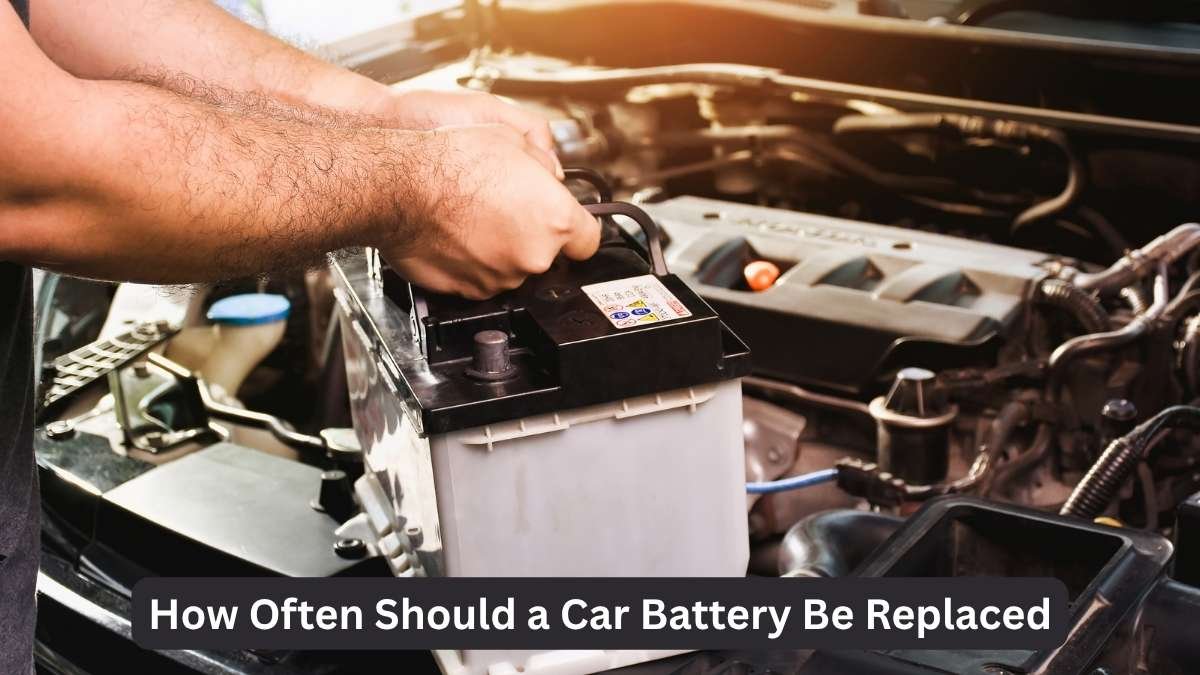
A dead battery rarely chooses a convenient time to fail. It usually happens before work, outside a grocery store, or just when you’re ready to leave for a long trip. So, how often should a car battery be replaced? The honest answer depends on battery age, climate, driving habits, vehicle demands, and test results.
Therefore, being a certified auto repair technician, I have seen plenty of drivers replace batteries too early, while others wait until the car will not start at all. Moreover, a three-year-old battery may still be healthy, while an older one may already be struggling.
After more than 20 years working on vehicles, my goal here on AHS Rankers is to help you understand what your battery is telling you and how a trustworthy repair shop should diagnose the problem before recommending replacement. Thus, let’s explore this practical guide in detail!
How Often Should a Car Battery Be Replaced?

Most automotive batteries have a useful life measured in years rather than mileage. That makes battery replacement different from services such as oil changes or tire rotations, where mileage provides a clearer schedule. In my experience, age is an important warning signal, but it should never be the only reason someone sells you a new battery.
How Long Does a Car Battery Usually Last?
A conventional car battery commonly lasts around three to five years, although some batteries fail sooner and others continue working beyond that range. The difference often comes down to temperature, charging conditions, driving habits, battery construction, and the electrical demands of the vehicle.
Why does the three-to-five-year range matter? Battery capacity gradually declines as the internal plates and electrolyte age. The battery may still start the engine reliably today but have significantly less reserve capacity than it had when new.
From my experience in an auto repair shop, an older battery deserves more attention even when the vehicle starts normally. A proper battery test can tell you much more than simply listening to the engine crank. That distinction matters because replacing a healthy battery just because it reached an arbitrary age wastes money, while ignoring an aging battery can leave you stranded.
Why Climate and Driving Habits Matter
Temperature has a major effect on battery life. Extreme heat can accelerate internal battery deterioration, while severe cold places greater demand on a battery that has already lost some of its starting capacity.
Driving patterns matter too. What happens when you mostly make short trips? The starter consumes considerable electrical energy during each start, and a short drive may not give the charging system enough time to replenish it fully.
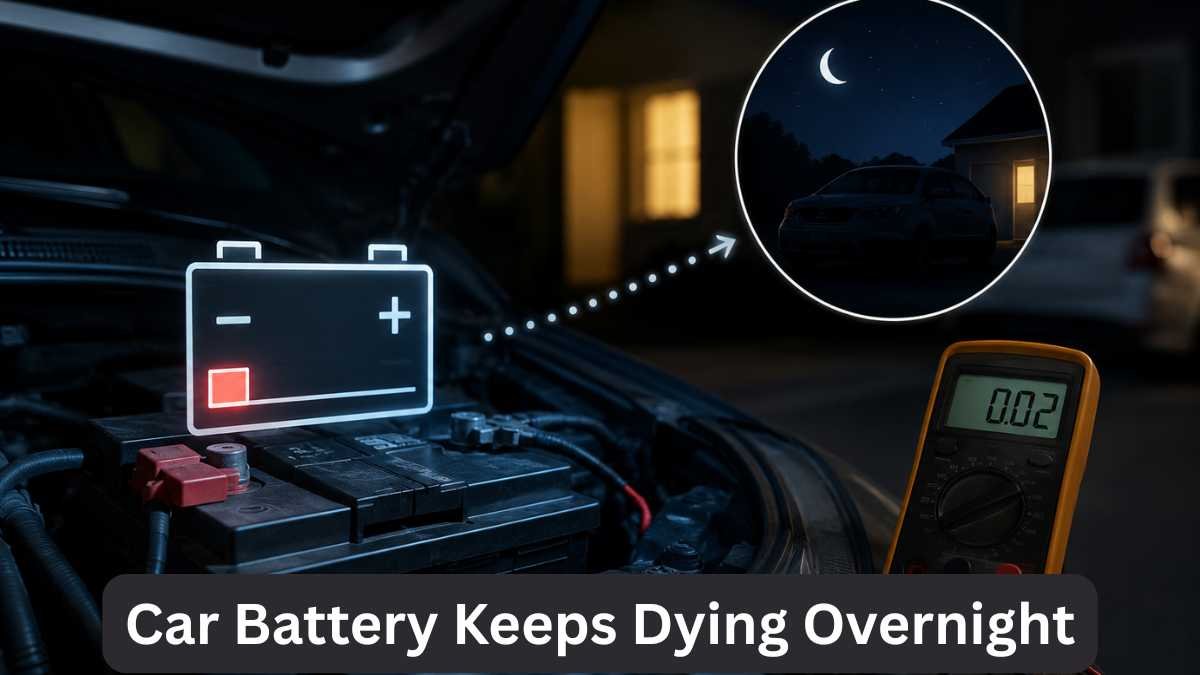
Long periods of inactivity can also contribute to discharge. Modern vehicles continue drawing small amounts of electricity even when parked because computers, security systems, and other modules remain active.
I pay particular attention to these conditions when evaluating an aging battery. A vehicle driven regularly on longer trips may treat its battery very differently from one used for repeated five-minute errands.
Should You Replace a Battery Based on Age Alone?
I would not recommend replacing a battery solely because the calendar says it has reached a certain age. Age tells you that testing deserves attention, but it does not automatically prove the battery has failed.
Consider two vehicles with four-year-old batteries. One may have strong starting performance and healthy test results. The other may struggle on cold mornings and show poor reserve capacity. Treating those batteries identically would ignore the evidence.
What this really means for drivers is simple: battery age should trigger inspection, not an automatic sale. Ask the technician what the test showed and whether the charging system is operating correctly.
A trustworthy shop should be comfortable explaining those findings. If the recommendation is simply, “Your battery is old, so replace it,” I would ask a few more questions before approving the repair.
Signs Your Car Battery May Need Replacement

Battery problems often provide clues before complete failure, although those clues can overlap with starter, alternator, and electrical-system faults. Knowing the common symptoms helps you describe the problem accurately instead of guessing which component has failed.
Slow or Difficult Engine Cranking
A noticeably slower engine crank is one of the classic signs of declining battery performance. You may hear the starter turning the engine more slowly than usual, especially after the vehicle has been sitting overnight.
Does slow cranking always mean the battery is bad? No. A failing starter, poor electrical connection, corroded terminal, or charging problem can create similar symptoms.
That is why I prefer diagnosis over assumptions. A technician should evaluate battery condition and inspect the starting circuit rather than automatically installing a replacement.
Pay attention to changes over time. If the engine normally fires immediately but gradually takes longer to crank, that change deserves attention.
A single slow start may not prove much. Repeated slow starts, particularly from an older battery, are a stronger reason to schedule battery testing before the problem becomes a no-start situation.
Clicking, Flickering Lights, or Electrical Problems
Rapid clicking when you turn the key or press the start button can indicate insufficient electrical power reaching the starter. Dim headlights or flickering interior lights may also point toward battery or charging-system trouble.
But these symptoms need context. A loose battery connection can create intermittent electrical problems, while an alternator problem can leave a perfectly good battery repeatedly undercharged.
I have seen drivers replace a battery because the car would not start, only to discover that the real problem was elsewhere. That is frustrating and avoidable.
A reputable technician should check the battery, connections, and charging system together when symptoms suggest an electrical problem.
If your lights dim dramatically during starting or electrical behavior changes suddenly, do not rely on guesswork. Describe exactly what happened and when it happened. Those details can help a technician narrow the diagnosis faster.
Battery Warning Signs Under the Hood
Physical battery condition can provide useful clues. Corrosion around the terminals, damaged cases, swelling, leakage, or other visible abnormalities should not be ignored.
A swollen battery is particularly concerning because it can indicate internal damage associated with excessive heat or charging problems. A damaged case also raises safety concerns and should receive professional attention.
Terminal corrosion is different. Minor corrosion does not automatically mean the battery itself has failed, although it can interfere with electrical connections and contribute to starting problems.
Modern vehicles can also hide batteries beneath covers or in less obvious locations. That means a quick glance under the hood does not always tell the whole story.
When inspecting a battery, I look at both physical condition and electrical performance. A clean battery can still be weak internally, while a battery with some corrosion may remain electrically healthy after the connection is properly serviced.
Repeated Dead-Battery Incidents
One jump-start can happen for many reasons. Several jump-starts are a different story.
If your vehicle repeatedly needs a jump, replacing the battery without finding the cause may simply restart the cycle. A weak battery is certainly one possibility, but so are a failing alternator, parasitic electrical drain, poor connections, or extended periods of inactivity.
Let’s break it down. A battery stores electrical energy, the starter uses that energy to crank the engine, and the alternator replenishes the battery while the engine runs. A problem anywhere in that system can produce a dead-battery symptom.
This is where electrical-system diagnosis matters. I would rather see a technician spend time identifying the cause than install another battery and hope the problem disappears.
If the same problem returns after replacement, that is an especially strong reason to investigate the complete starting and charging system.
What a Trustworthy Repair Shop Should Check Before Replacing Your Battery

Battery replacement can be straightforward, but diagnosis should come first when symptoms are unclear. A trustworthy shop should be able to explain what was tested, what the results mean, and why replacement is justified. That transparency is one of the strongest trust signals I look for when evaluating repair facilities.
Battery Testing and Load Testing
A basic voltage reading provides useful information, but voltage alone does not tell the entire story. A battery can show an acceptable resting voltage and still not deliver sufficient starting power under demand.
That is why professional battery testing is important. Depending on the vehicle and equipment available, a technician may evaluate starting capacity, conductance, state of charge, or other battery-health measurements.
What should you ask? Ask the technician whether the battery passed the test and what the measured condition means for continued use.
I also want the explanation to make sense. You should not need an electrical engineering background to understand why a battery is being recommended for replacement.
A clear test result gives you evidence. A vague statement that “the battery looks weak” gives you very little.
Alternator and Charging-System Inspection
A new battery cannot compensate for an alternator that is not properly charging the vehicle. That is why I consider charging-system testing an essential part of diagnosing repeated battery problems.
The alternator supplies electrical power while the engine runs and helps restore energy consumed during starting. If its output is inadequate, the battery may repeatedly become discharged even if the battery itself is relatively new.
Connections and wiring also matter. Poor grounds, loose terminals, damaged cables, and other electrical faults can interfere with charging or starting performance.
From my experience, this is where good technicians separate themselves from parts changers. They look at the entire system rather than replacing whichever component seems most obvious
If a shop recommends a battery replacement after a clear charging-system check, the recommendation carries much more weight
Starter and Electrical-System Diagnosis
A weak starter can sometimes look like a weak battery. Both problems can produce slow cranking, clicking, or difficulty starting the engine.
The difference becomes clearer when the technician tests the system properly. Starter current draw, electrical connections, battery condition, and charging performance can all provide useful evidence.
Another possibility is a parasitic drain. Something in the vehicle may continue consuming excessive electrical power after the engine is shut off. Modern vehicles contain numerous electronic modules, so finding an abnormal drain can require careful diagnosis.
This is why I value shops that offer broader auto electrical diagnostics rather than simply installing batteries.
A good repair recommendation should answer one basic question: what caused the problem? If the answer remains unclear, replacing parts immediately may not solve it.
Battery Specifications and Proper Replacement
Not every battery that physically fits a vehicle is necessarily the correct replacement. Battery group size, starting requirements, technology, and vehicle-specific specifications all matter.
Some modern vehicles also use advanced battery systems that require additional procedures after installation. Certain models may need battery registration or electronic-system adaptation so the vehicle properly manages the new battery.
I always recommend checking the manufacturer’s requirements rather than relying on appearance alone.
The technician should also explain what type of battery is being installed and what warranty applies. Is it the correct specification? Is the warranty documented? Are there additional installation procedures?
Those details may seem minor, but they are part of a professional battery replacement service. The right component and correct installation matter just as much as the decision to replace it.
How AHS Rankers Evaluates Trustworthy Auto Repair Shops
A battery question often becomes a repair-shop question. Once a driver needs testing or replacement, the challenge is finding a business that diagnoses accurately and communicates honestly. That is where AHS Rankers takes a different approach from a simple paid directory.
Real Customer Reviews vs. Marketing Claims
Online reviews can reveal useful patterns, but I never treat a star rating as the entire story. A shop with thousands of reviews may still deserve closer examination if recurring complaints involve communication, unnecessary repairs, or unexplained charges.
I pay attention to what customers actually describe. Did the technician explain the diagnosis? Was the estimate clear? Did the final bill match expectations?
Detailed reviews are generally more useful than one-line praise because they provide context. Recurring experiences can reveal patterns that a single rating cannot.
I also consider review recency and consistency. A shop’s reputation can change as management, technicians, or ownership changes.
For AHS Rankers, customer feedback is one trust signal among several. It supports the evaluation rather than replacing professional judgment.
ASE Certifications and Dealer-Level Training
Credentials do not guarantee perfect work, but they provide meaningful evidence of technical preparation. ASE certification can demonstrate competence in specific automotive service areas, while manufacturer or dealer-level training can be particularly valuable for vehicles with specialized systems.
Why does that matter for a battery problem? Modern vehicles are far more electronically complicated than older cars. Battery management systems, start-stop technology, charging controls, and computer modules can make seemingly simple electrical problems more involved.
I consider relevant certifications and training alongside actual diagnostic practices.
A technician who holds credentials but cannot explain a repair clearly is not automatically trustworthy. Likewise, a skilled technician may have strong practical ability that should be evaluated alongside documented qualifications.
The strongest shops combine technical training, practical experience, and transparent communication.
Diagnostic Quality and Transparency
When I evaluate a repair shop, I want to know whether its recommendations can be traced back to evidence. That means looking for clear testing, understandable explanations, and estimates that show what the customer is actually approving.
A battery replacement should have a reason behind it. Perhaps the battery failed a capacity test. Perhaps it cannot hold an adequate charge. Perhaps repeated discharge has damaged it.
Whatever the finding, the customer deserves an explanation.
Transparency also means acknowledging uncertainty when the diagnosis is not complete. A technician who says, “We need to test the charging system before we know,” may actually be demonstrating better professionalism than someone who immediately promises a simple fix.
That diagnostic honesty is one of the most important trust factors I consider when ranking repair shops.
Customer Experience and Communication
Technical skill matters, but customer communication matters too. A technically capable shop can still create a poor experience if customers cannot get clear answers about estimates, delays, warranty coverage, or unexpected findings.
I look for patterns in customer experiences rather than isolated complaints. Do customers consistently describe technicians as clear and respectful? Are recommendations explained before work begins?
Communication becomes especially important when a repair changes during diagnosis. If a battery test leads to an additional charging-system inspection, the customer should understand why.
What does good communication look like? It means fewer surprises and better decisions.
For AHS Rankers, customer experience supports the technical evaluation. The goal is not to reward pleasant conversation alone, but to identify shops where competent repair work and honest communication consistently appear together.
Services Offered and Electrical-System Capability
A shop’s service range can provide useful context. For battery-related concerns, I want to see evidence that the facility can perform battery testing, alternator testing, starter diagnosis, and electrical-system diagnostics.
Why? Because a battery rarely exists in isolation. Starting and charging components work together, and symptoms can overlap.
A shop that only installs batteries may be appropriate for a straightforward replacement. But when the vehicle repeatedly loses power or develops intermittent starting problems, broader diagnostic capability becomes much more important.
I also avoid assuming that a long service menu proves technical excellence. What matters is whether the shop can demonstrate competent diagnosis and explain its findings.
Services tell me what a business offers. Reviews, credentials, observations, and diagnostic practices help tell me how well those services are delivered.
Hands-On Observations and Industry Experience
Online information can only tell you so much about a repair shop. Real-world automotive experience provides another layer of context, particularly when evaluating whether diagnostic procedures make practical sense.
After more than two decades around vehicles, I know that symptoms rarely follow perfect textbook patterns. A driver may describe a “bad battery” when the real issue is a cable, starter, alternator, or electrical drain.
That is why I value evidence from actual repair practices.
When AHS Rankers evaluates shops, the emphasis is on real-world trust signals, not polished marketing language. Reviews, qualifications, services, customer experiences, and hands-on observations all contribute to the picture.
A trustworthy ranking should reflect what a driver can reasonably expect from the shop, not simply how effectively the business promotes itself.
Pricing Transparency and Repair Recommendations
Price matters, but the cheapest battery is not automatically the best value. A low quote may involve a different battery specification, warranty, installation procedure, or level of diagnostic service.
I want customers to understand what they are paying for. Does the estimate identify the battery? Does it explain labor? Is the warranty clear? Were diagnostic charges explained before testing?
Those questions help distinguish transparent pricing from an attractive number designed to win the job.
I also look at whether a shop recommends necessary work without piling on unrelated services. A battery problem should not become an excuse for unnecessary maintenance.
The strongest repair recommendations connect the price to the evidence. When a shop explains both the problem and the proposed solution clearly, you can make a decision based on facts rather than pressure.
What Makes One Shop Stand Out From Another?
A strong repair shop does not necessarily have the highest rating or the largest advertising budget. In my evaluations, standout businesses tend to show several trust signals at once.
They have qualified technicians, consistent customer feedback, capable diagnostic equipment, transparent estimates, and a pattern of explaining repairs clearly.
That combination matters. A shop might have excellent reviews but limited electrical diagnostic capability. Another might have impressive credentials but inconsistent communication with customers.
The strongest overall picture comes from multiple sources agreeing with one another.
That is also why AHS Rankers differs from a paid directory. The goal is not to reward a business simply because it pays for visibility. The goal is to assess the evidence a driver can use when deciding where to take a vehicle.
Trust should be demonstrated, not purchased.
When Should You Have Your Car Battery Tested or Replaced?

You do not need to wait for a dead battery to think about battery health. Certain situations make testing particularly sensible, especially when the battery is aging or the vehicle has shown warning signs. A little attention at the right time can prevent an inconvenient failure.
Before a Long Road Trip
A road trip is one of the worst times to discover that your battery has reached the end of its useful life. A vehicle that starts reliably in the driveway may behave differently after sitting overnight in unfamiliar conditions.
I recommend considering a battery test before a major trip when the battery is several years old or has shown any starting symptoms.
The goal is not to sell yourself a new battery simply because you are traveling. The goal is to replace uncertainty with information.
A test can help determine whether the battery still has adequate starting capacity and whether the charging system appears healthy.
That small amount of preparation can be worthwhile when your alternative is arranging a jump-start several hundred miles from home.
When the Battery Is Around Three Years Old or More
Three years is not a mandatory replacement point. It is better viewed as a reasonable age at which battery condition deserves more attention.
Climate can change that equation considerably. Vehicles exposed to severe heat may experience faster battery deterioration, while severe winters can expose weaknesses that remained unnoticed during warmer months.
I prefer periodic testing over automatic replacement. If the battery passes and performs well, there may be no reason to replace it immediately.
If it tests poorly, you have useful evidence before the battery fails completely.
This approach also makes financial sense. Preventive testing is about understanding condition, not automatically replacing parts based on age.
After a Jump-Start or Deep Discharge
A jump-start gets the engine running, but it does not prove that the battery is healthy. If the battery was deeply discharged, its condition deserves attention afterward.
Why did it go dead? That question matters.
Perhaps a light was left on. Perhaps the vehicle sat unused for weeks. Perhaps the battery is simply reaching the end of its life. Or perhaps the alternator is not charging correctly.
A proper battery and charging-system inspection can help separate those possibilities.
I am especially cautious when a vehicle needs repeated jump-starts. Replacing the battery may solve the immediate problem, but if something else is draining or failing to recharge it, the same situation can return.
The best repair decision starts by finding the reason for the failure.
Final Thoughts
Concluding the whole discussion, a car battery does not follow a perfect expiration date. But now, after reading this guide, you may know a lot about how often should a car battery be replaced; many last roughly three to five years, but climate, driving habits, electrical demands, and maintenance can move that timeline in either direction.
Therefore, the better approach is to watch for symptoms and have an aging battery properly tested before assuming it needs replacement. Besides, the repair shop matters almost as much as the battery itself. A trustworthy technician should explain the test results, check the charging system when appropriate, and recommend replacement for a clear reason.
More importantly, that is the standard I apply at AHS Rankers platform. Unlike paid directories, AHS Rankers focuses on independent, expert-driven evaluations built around real customer experiences, qualifications, diagnostic practices, transparency, and other meaningful trust signals.






Add your first comment to this post