 Skip to content

A dead battery first thing in the morning can throw your entire day off. Whether you’re heading to work, taking the kids to school, or preparing for a weekend trip, turning the key only to hear a weak click is frustrating. When a car battery keeps dying overnight, many drivers assume the battery itself has failed, but that’s often only part of the story.
In my 20-plus years as an ASE-certified automotive professional, I’ve diagnosed hundreds of overnight battery drain complaints, and the real cause isn’t always obvious. Through AHS Rankers, my goal is to share honest, experience-backed advice that helps drivers understand their vehicles before spending money on unnecessary repairs.
Therefore, in this guide, I will explain why a car battery keeps dying overnight fast, why it happens, and how experienced technicians identify the real cause before recommending repairs. Let’s dive into details!
Why Does My Car Battery Keep Dying Overnight?

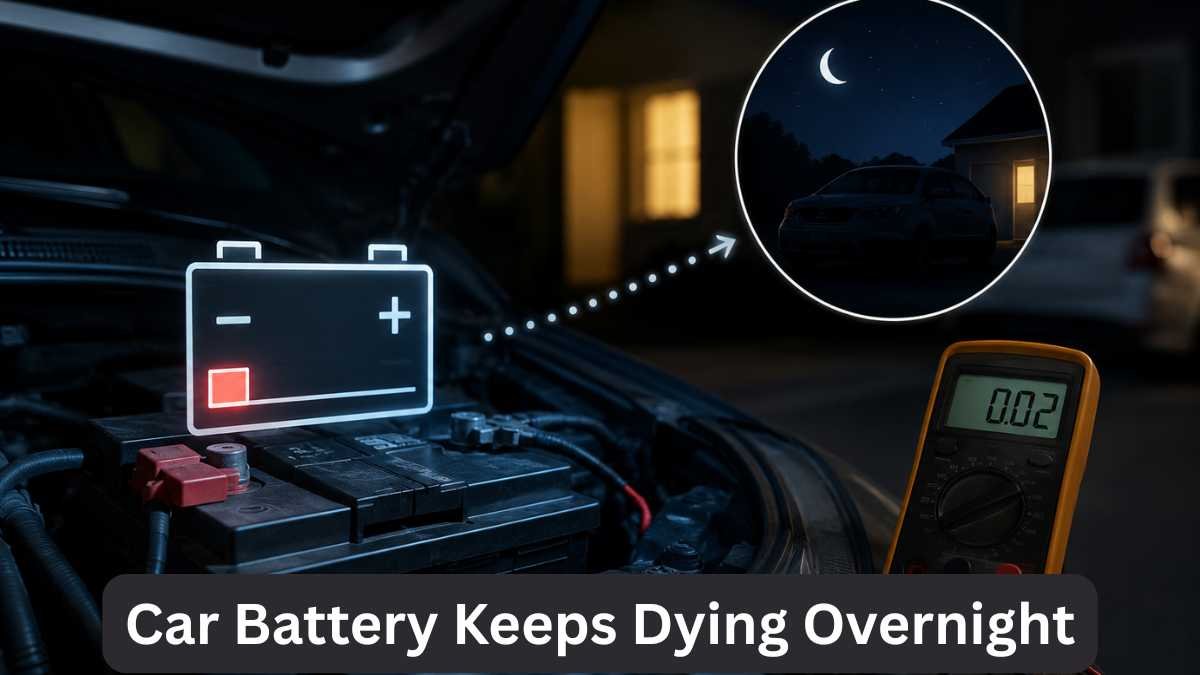
A car battery keeps dying overnight because something is either draining power while the vehicle is parked or preventing the battery from charging properly during normal driving.
Common causes include a parasitic electrical draw, an aging battery, a failing alternator, corroded battery terminals, or an electrical component that never fully shuts off. A thorough battery and charging system inspection identifies the actual problem before parts are replaced unnecessarily.
Why Your Car Battery Keeps Dying Overnight
A battery doesn’t simply decide to stop working while your car sits in the driveway. Something causes that energy loss. From my experience in the shop, identifying the source before replacing parts almost always saves drivers both time and money. Let’s break it down.
The Most Common Causes of Overnight Battery Drain
When customers tell me their battery is dead every morning, I start with the most likely causes instead of assuming the battery has failed. Modern vehicles contain dozens of electronic modules, and even one faulty component can slowly drain power throughout the night.
The most common culprit is a parasitic electrical draw, where an accessory or module continues consuming electricity after the ignition is turned off.
Plus, other possibilities include an aging battery with reduced capacity, interior or trunk lights that remain illuminated, a faulty alternator diode that allows reverse current flow, or loose, corroded battery terminals.
Extreme heat and freezing temperatures can also shorten battery life significantly. What this really means for drivers is that replacing the battery alone may only mask the underlying problem.
How a Healthy Battery Should Behave
A healthy automotive battery should retain most of its charge overnight. Even after sitting for several days, a properly functioning battery and charging system should still provide enough power to start the engine without hesitation.
Most batteries last between three and five years, depending on driving habits and climate. During routine inspections, I also check battery voltage after the vehicle has rested because it provides valuable information about overall battery health.
If your battery consistently loses significant voltage overnight, something isn’t working as designed. That could be the battery itself, but just as often, it’s another electrical issue waiting to be found.
Diagnosing Why Your Battery Dies Overnight

Finding the exact cause requires a methodical approach rather than educated guesses. I always tell customers that diagnosis is often more valuable than replacing parts because it prevents repeat repairs. A few simple tests usually reveal whether the battery, charging system, or another electrical component deserves attention.
Step 1 – Inspect the Battery
Every diagnosis begins with the battery itself. Batteries naturally weaken over time, and many overnight drain complaints involve units that are already near the end of their service life.
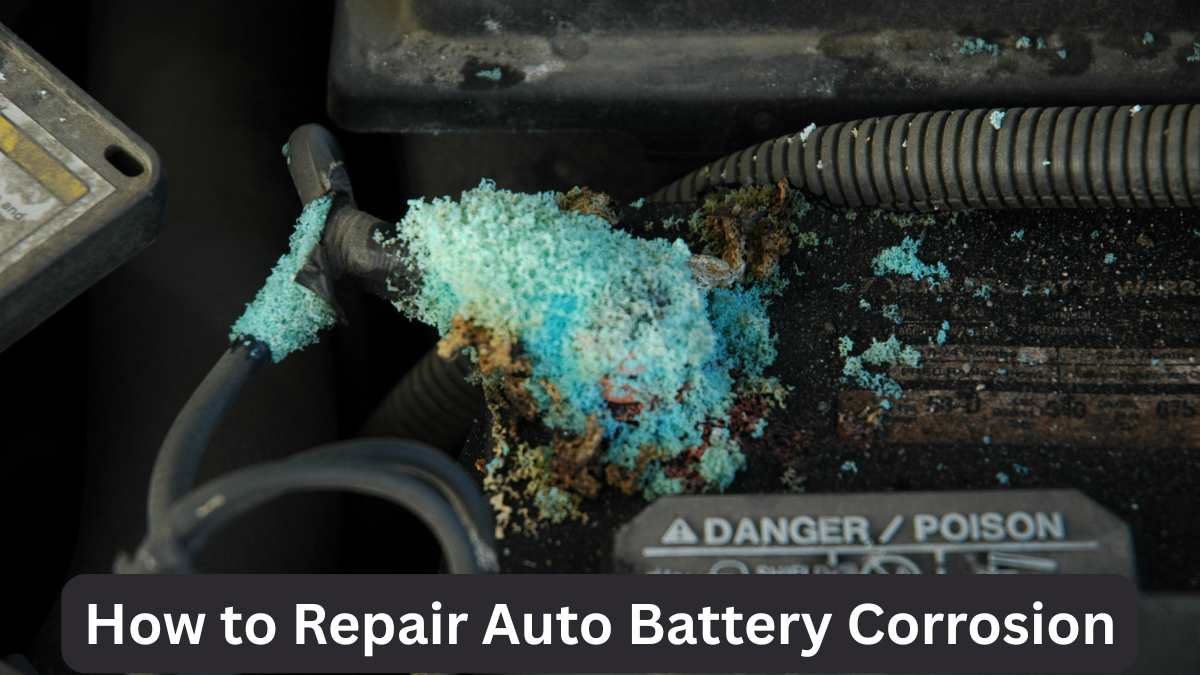
I inspect the manufacturing date, terminal condition, cable connections, and battery case for swelling or cracks. Corrosion around the terminals increases electrical resistance, reducing charging efficiency and starting performance.
A professional battery load test also measures how well the battery performs under actual starting conditions. From my experience in the shop, many batteries that appear fully charged still fail once placed under load because their internal capacity has deteriorated.
Step 2 – Test the Charging System
Many drivers blame the battery when the alternator is actually responsible. The alternator replenishes battery power every time the engine runs, so even a relatively new battery won’t survive if charging output is insufficient.
A proper charging system inspection includes measuring alternator voltage while the engine is running, checking voltage under electrical load, and inspecting the drive belt for slipping or wear.
I also evaluate the voltage regulator because inconsistent charging often points toward regulator failure rather than the alternator itself. A healthy charging system typically maintains battery voltage between about 13.5 and 14.8 volts while driving.
Step 3 – Check for a Parasitic Draw
This test solves many overnight battery mysteries. Even after shutting off the engine, certain vehicle systems continue drawing a small amount of electricity to preserve memory settings and security features.
The problem begins when another component refuses to enter sleep mode. I connect an ammeter between the battery and the vehicle, then measure the current draw after all electronic modules power down.
If the reading exceeds manufacturer specifications, I isolate individual circuits until the excessive draw disappears. Faulty radios, glove box lights, aftermarket alarms, and stuck relays frequently appear during these tests. Accurate parasitic draw testing eliminates unnecessary guesswork.
Step 4 – Scan the Vehicle for Electrical Fault Codes
Today’s vehicles rely heavily on computers that communicate with one another. A malfunctioning control module can remain active long after the ignition is switched off, creating an overnight battery drain that’s impossible to see with a visual inspection alone.
Professional diagnostic scanners reveal stored fault codes within systems such as the Body Control Module, Engine Control Module, and other electronic controllers. These codes often point technicians toward communication failures or software problems affecting battery performance. What this really means for drivers is that modern battery issues frequently require more than basic hand tools.
Warning Signs Before Complete Battery Failure
Most batteries provide warning signs before they leave you stranded. Paying attention to these early symptoms often prevents emergency breakdowns and expensive towing bills.
Slow engine cranking is usually the first clue. Interior lights may dim while starting, dashboard warning lights can appear unexpectedly, or power windows and locks may respond sluggishly. Some drivers also notice random electronic glitches because low battery voltage affects sensitive vehicle systems.
Above all, from my experience in the shop, addressing these symptoms early almost always leads to a simpler and less expensive repair.
Common Repairs That Solve Overnight Battery Drain

Once testing identifies the source of the problem, the repair usually becomes straightforward. The key is fixing the actual cause rather than replacing parts based on assumptions. From my experience in the shop, many customers arrive after already buying a new battery, only to discover the original issue was hidden elsewhere in the electrical system.
Replacing a Weak or Worn-Out Battery
Sometimes the battery really is the problem. Every battery loses capacity with age, and after several years, it simply cannot store enough energy to power the vehicle reliably overnight.
Before recommending a replacement, I always perform a battery load test and compare the results with the manufacturer’s specifications. If the battery fails despite being fully charged, replacement is the right solution.
Therefore, choosing the correct battery size and cold cranking amp (CCA) rating is equally important because an undersized battery can struggle even when it’s brand new. Many newer vehicles also require battery registration or programming after installation so the charging system can operate correctly.
Repairing Faulty Alternators and Charging Systems
A weak alternator often creates symptoms that resemble a failing battery. The difference is that the battery continues losing charge because it never receives enough electricity while you drive.
A complete charging system inspection includes checking alternator output, voltage regulator performance, wiring connections, and the drive belt condition.
In some cases, the alternator itself is healthy, but a worn belt slips under load and limits charging efficiency. Other times, a failed diode inside the alternator allows electricity to flow backward after the engine is turned off, slowly draining the battery overnight.
Thus, replacing the faulty component restores proper charging and prevents repeated battery failures.
Fixing Electrical Drains
Electrical drains are among the most challenging problems because they often occur only when the vehicle is parked. The drain may come from a component that appears to work normally during the day.
I’ve traced overnight battery drain to faulty glove box switches, malfunctioning trunk lights, aftermarket remote starters, damaged relays, infotainment systems, and even power seat modules that refused to shut down.
Careful electrical system diagnosis identifies the exact circuit drawing excessive current. Once the faulty component is repaired or replaced, the battery usually performs normally again without any additional repairs.
Cleaning Battery Terminals and Ground Connections
Good electrical connections are just as important as a healthy battery. Corrosion creates resistance that limits charging performance and reduces the amount of power available during engine startup.
Whenever I inspect a battery, I clean both terminals, check the condition of the battery cables, and inspect the vehicle’s main ground connections. Loose or damaged grounds can create intermittent electrical problems that mimic much larger failures.
Applying dielectric grease after cleaning helps reduce future corrosion and improves long-term reliability. It’s a simple repair, but one that frequently solves hard-starting complaints before they become major issues.
Problems That Frequently Cause Overnight Battery Drain
Several issues appear repeatedly in repair shops when diagnosing overnight battery failures:
- Failing battery nearing the end of its lifespan
- Faulty alternator diode allowing reverse current flow
- Interior, trunk, or glove box lights staying on
- Corroded or loose battery terminals
- Damaged battery cables or poor ground connections
- Stuck electrical relays
- Faulty radio or infotainment system
- Aftermarket alarms, dash cameras, or remote starters
- Power seat or body control module remaining active
- Electrical shorts within vehicle wiring
Understanding these possibilities helps explain why replacing only the battery doesn’t always solve the problem.
When to Repair It Yourself vs Visit a Professional
Some battery-related issues are easy to identify at home, while others require specialized diagnostic equipment. Knowing where that line exists can save both frustration and unnecessary repair costs. Let’s break it down.
DIY Checks You Can Safely Perform
There are several simple inspections almost any vehicle owner can perform before scheduling a repair appointment. These checks won’t solve every problem, but they often eliminate obvious causes.
Start by checking the battery’s age. If it’s more than four or five years old, replacement may be justified after proper testing. Inspect the terminals for corrosion and make sure both cable connections feel secure. Verify that the headlights, interior lights, glove box light, and trunk light all turn off completely when the vehicle is parked.
If you own a digital multimeter, measuring the battery voltage after the car has been sitting overnight can also provide useful information before visiting a repair shop.
When Professional Diagnostics Are Worth It
Some electrical problems simply cannot be diagnosed accurately without professional tools and experience. Modern vehicles contain dozens of interconnected computers, and hidden electrical faults often require advanced testing.
I recommend visiting an ASE-certified technician if the battery continues dying after replacement, the alternator appears to charge normally, or no obvious electrical drain can be found.
Professional shops use specialized equipment to perform parasitic draw testing, scan every electronic control module, and verify charging system performance under different operating conditions. From my experience in the shop, these tests often identify problems that would otherwise remain hidden for weeks or even months.
Questions to Ask Before Approving Repairs
Choosing the right repair shop matters just as much as identifying the problem. A trustworthy technician should be willing to explain the diagnosis clearly and provide evidence before recommending expensive repairs.
Before approving any work, consider asking:
- Was the battery load tested before recommending replacement?
- Was the alternator output tested under load?
- Was a parasitic draw test performed?
- Which specific component is draining the battery?
- Can the failed part or test results be shown to me?
- Is the repair estimate fully itemized?
- Does the replacement part include a warranty?
Clear answers to these questions often separate experienced professionals from shops that rely on guesswork.
Final Thoughts
To cut a long story short! Now you will have to learn why a car battery keeps dying overnight; hence, something is preventing the electrical system from working the way it should. In many cases, the battery itself isn’t the real problem.
Moreover, a careful inspection of the charging system, battery condition, wiring, and electronic components almost always reveals the underlying cause.
Throughout my career as an ASE-certified automotive professional, I’ve learned that accurate diagnosis saves drivers far more money than replacing parts based on assumptions. That’s the same philosophy behind AHS Rankers. So instead of relying on paid placements or advertising, I focus on practical automotive expertise, transparent information, and real-world repair experience.
Above all, my goal is to help you understand what your vehicle needs so you can make informed decisions with confidence and avoid unnecessary repairs.





Add your first comment to this post