 Skip to content

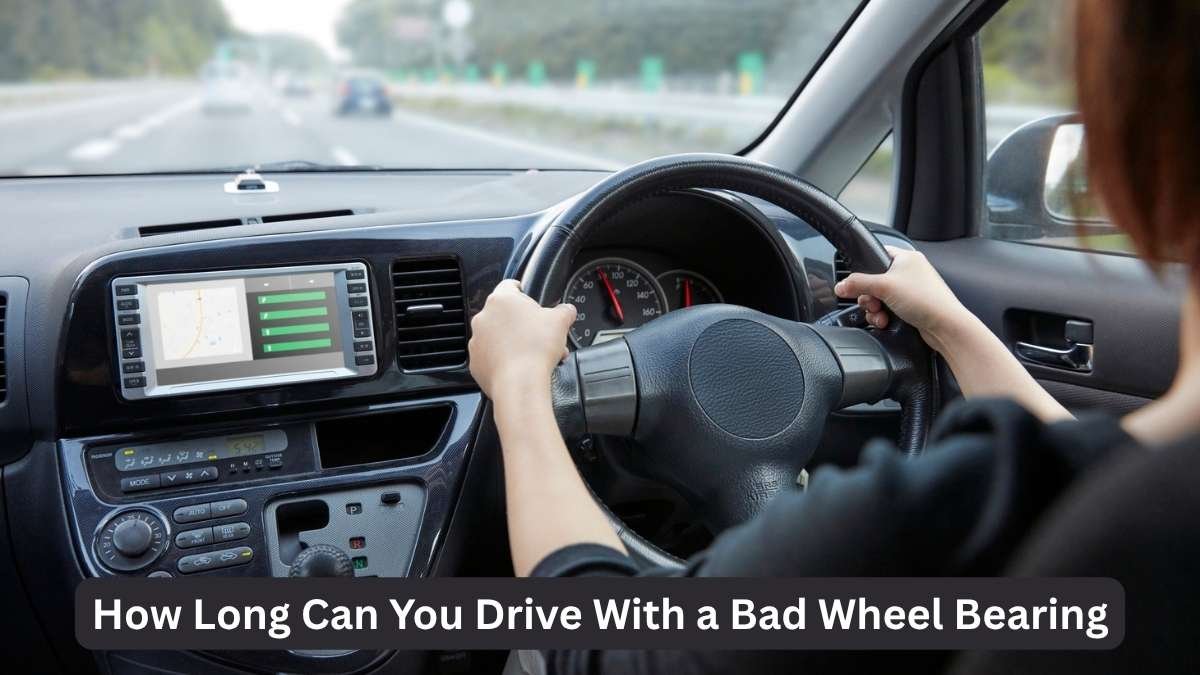
A strange humming sound can turn a routine commute into a question you cannot easily answer: can the car keep going, or is something about to fail? I have seen drivers continue for weeks with a noisy wheel bearing because the vehicle still felt normal. That is why the question, how long can you drive with a bad wheel bearing, does not have a simple mileage answer.
Moreover, the condition of the bearing matters more than the odometer. I have also inspected bearings that had progressed from a mild noise to a serious wheel-end problem. Through AHS Rankers, my goal is to share honest, experience-backed advice that helps drivers understand their vehicles before spending money on unnecessary repairs.
Above all, from my experience in the auto repair shop, the safest approach is to recognize the warning signs, understand how bearing wear progresses, and have the vehicle properly diagnosed before deciding how much farther you should drive. So, let’s explore the whole detail in this practical guide!
How Long Can You Drive With a Bad Wheel Bearing?

There is no reliable number of miles that applies to every failing wheel bearing. Some bearings produce noise for quite a while, while others deteriorate much faster. The important question is not simply how far the vehicle has traveled, but what the bearing is doing now and whether the symptoms are getting worse.
There Is No Reliable Mileage Limit for a Failing Wheel Bearing
A driver may hear that a bad wheel bearing can last another 500 miles, 1,000 miles, or several months. I would never guarantee that to a customer. Bearing condition varies with vehicle design, mileage, road conditions, load, heat, lubrication, and existing internal wear.
Could a mildly noisy bearing continue working for some time? Yes. Does that make continued driving predictable or safe? No.
A bearing can deteriorate gradually, but you can’t accurately calculate its remaining service life from noise alone. That is why wheel bearing diagnosis matters more than a generic mileage estimate.
If the noise is new or increasing, treat it as a mechanical problem that needs attention rather than trying to calculate how many trips you can squeeze out of it.
What Happens as a Wheel Bearing Gets Worse?
A wheel bearing normally allows the wheel and hub to rotate smoothly while supporting substantial vehicle weight. As the bearing wears, its internal surfaces can develop roughness, damage, or excessive clearance.
What does that feel like from the driver’s seat? It often begins as a hum, growl, or rumble that becomes more noticeable as road speed increases. In some cases, the sound changes when the vehicle turns because the load on the bearing changes.
More advanced wear can produce vibration, looseness, or noticeable wheel movement. The bearing may also generate additional heat.
Adding more, the mistake is assuming that gradual noise means gradual risk. A bearing can remain relatively stable for a period and then become substantially worse. The symptoms deserve attention before they reach that point.
When Is It Unsafe to Keep Driving?
A noisy wheel bearing deserves inspection, but certain symptoms raise the urgency considerably. Significant wheel looseness, severe grinding, strong vibration, unusual steering behavior, or obvious wheel movement are not symptoms I would recommend ignoring.
What should you do if those signs appear? Avoid unnecessary driving and have the vehicle inspected as soon as practical. In severe cases, towing is the safer choice.
The exact risk depends on what is actually failing. A damaged bearing is one possibility, but a loose wheel, damaged hub, suspension problem, or another wheel-end fault can produce related symptoms.
The key point is simple: the fact that the vehicle still moves does not prove the wheel-end assembly is safe. A professional inspection can determine whether limited driving is reasonable or whether the vehicle should remain parked.
Bad Wheel Bearing Hub Symptoms

Wheel-bearing symptoms can be surprisingly easy to dismiss because the vehicle may continue steering and braking normally. The challenge is recognizing when an unusual sound or vibration represents developing mechanical wear. I always encourage drivers to pay attention to changes rather than waiting for a dramatic failure.
Humming, Growling, or Grinding Noise
A humming or growling sound that increases with vehicle speed is one of the classic signs associated with a worn wheel bearing. The sound may become more noticeable as the vehicle travels faster, and it can sometimes change when the vehicle turns.
But is every humming tire noise a bearing? Definitely not. Tires with irregular wear can create a similar drone, while certain drivetrain, brake, and suspension problems can also produce sounds that confuse the diagnosis.
That distinction matters because replacing a bearing without confirming the source wastes money and leaves the original problem unresolved.
An experienced technician listens for changes in the sound, checks the vehicle carefully, and considers the surrounding components. Accurate diagnosis is more valuable than simply matching one symptom to one replacement part.
Vibration, Wheel Play, or Steering Changes
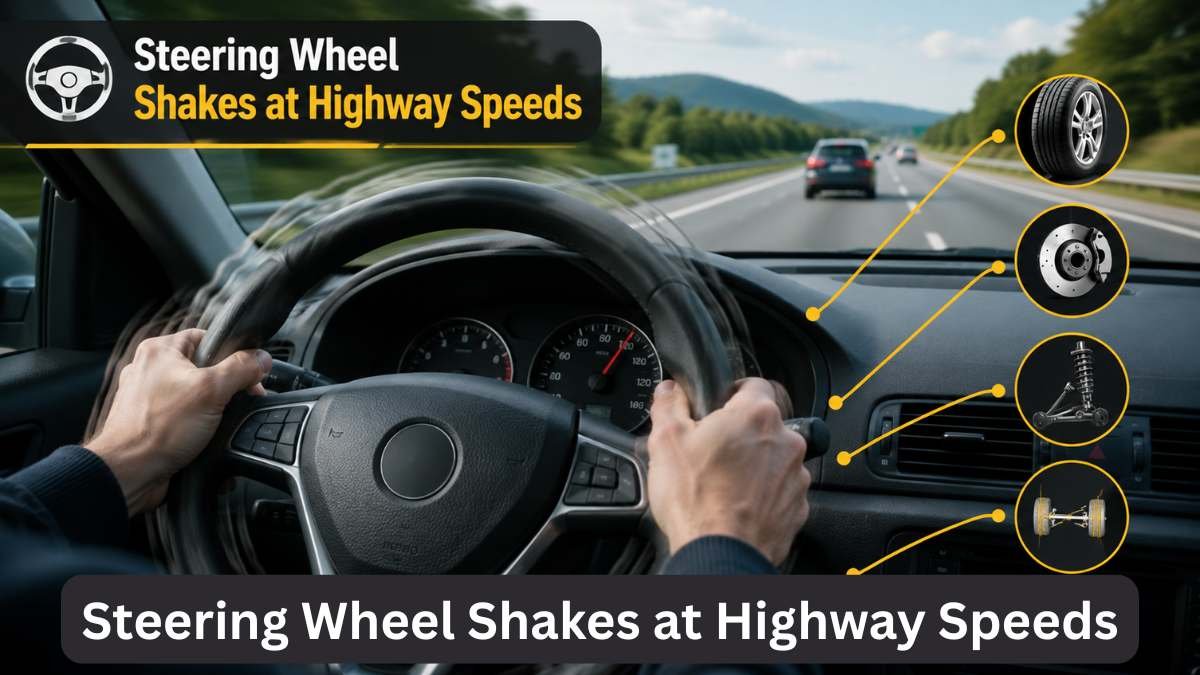
A failing wheel bearing can sometimes produce vibration or looseness, particularly as wear becomes more advanced. You may notice something through the steering wheel, seat, or floor, depending on which wheel is affected and how the vehicle is designed.
What should concern you most? A new sensation that is becoming more pronounced deserves inspection.
Wheel play can also have several causes. Suspension joints, steering components, wheel fasteners, hubs, and other parts can create similar movement. That is why a technician should inspect the entire wheel-end assembly instead of assuming the bearing is responsible.
From my experience, customers often describe the symptom accurately but identify the wrong component. Your job is to report what you feel and hear. The technician’s job is to determine why it is happening.
Uneven Tire Wear or Other Related Symptoms
Uneven tire wear does not automatically mean you have a bad wheel bearing. Alignment problems, worn suspension components, incorrect tire pressure, tire defects, and driving conditions can all contribute to abnormal wear.
Still, tire condition can provide useful evidence during a wheel hub inspection. A technician looking at the complete wheel-end assembly can compare tire wear with bearing condition, suspension movement, alignment-related issues, and other visible problems.
Could replacing the bearing fix uneven tire wear? Not necessarily. If the underlying cause is alignment or suspension wear, the tire problem may continue.
That is why I prefer a complete diagnosis over a parts-first approach. Good repair work connects the symptoms, inspection findings, and recommended repair. You should be able to understand why a shop believes a particular component has failed.
How a Professional Technician Confirms the Problem
A proper inspection involves more than listening to the vehicle during a quick test drive. Depending on the vehicle, the technician may safely raise it, check for wheel movement, inspect the hub and bearing assembly, examine surrounding components, and listen for abnormal roughness.
Modern vehicles also require attention to how the bearing is integrated. Some applications use a serviceable bearing, while others use a complete hub assembly.
What this really means for drivers is that diagnosis should come before authorization for repair. A qualified technician should be able to explain what was found and what evidence supports the recommendation.
A second opinion can also make sense when the diagnosis is unclear, or the proposed repair involves several expensive components without a convincing explanation.
How to Evaluate Auto Repair Shops for Wheel Bearing Work

Finding a shop that can replace a wheel bearing is relatively easy; diagnosing the problem accurately, communicating clearly, and standing behind its work requires more judgment. That distinction is central to how I approach AHS Rankers. I look beyond advertising and consider the trust signals that tell you how a shop actually treats customers.
Diagnostic Ability and Repair Transparency
The first question I ask is simple: does the shop diagnose the problem, or does it immediately sell a repair? That difference can have a major effect on your final bill.
A trustworthy shop should explain what the technician inspected and why the evidence points toward a failed bearing or hub. If additional work is necessary, the reason should be understandable.
I also look for transparent repair estimates that separate parts, labor, diagnostic charges, and other services when appropriate.
Why does this matter? Because a customer should not have to approve an expensive repair based on a vague statement such as “the wheel bearing is bad.” Clear findings create accountability and make it easier to compare recommendations.
ASE Certifications and Technician Training
Certifications do not automatically make a shop excellent, but they can provide useful evidence about technician knowledge. ASE certification is one trust factor I consider when evaluating automotive repair businesses.
I also pay attention to relevant manufacturer training, dealer-level experience, continuing education, and demonstrated experience with modern wheel-end systems.
Does certification guarantee a perfect diagnosis every time? No. Automotive repair involves complex systems, and even skilled technicians can encounter difficult faults.
What certification does provide is a more meaningful qualification signal than a generic claim that a shop has “expert mechanics.” I consider certifications alongside reviews, repair practices, customer communication, and other evidence before concluding a business.
Real Customer Reviews and Recurring Patterns
A five-star rating looks impressive, but the number alone tells me very little. I pay more attention to what customers actually describe.
Did customers mention accurate diagnosis? Were estimates explained clearly? Did the shop communicate when additional problems appeared? Did the final repair match what the customer was originally told?
Those details create a more useful picture than a rating by itself.
I also look for recurring patterns across reviews rather than allowing one unusually positive or negative experience to determine a ranking. Verified and detailed customer experiences can reveal strengths that advertising never mentions.
A shop with consistent comments about honest communication and quality repairs earns more credibility in my evaluation than one with a polished marketing presence but little meaningful customer feedback.
Wheel Bearing and Wheel-End Repair Experience
Wheel bearings do not exist in isolation. A technician working on one may also need to evaluate the hub, brakes, tires, steering, suspension, and related wheel-end components.
That makes relevant repair experience important. I want evidence that a shop understands how these systems interact and can distinguish bearing noise from tire noise, brake problems, CV-joint issues, or suspension faults.
A shop does not need to advertise itself as a “wheel-bearing specialist” to be capable. What matters is whether its technicians demonstrate sound diagnostic practices.
From my perspective, the strongest shops explain the diagnosis rather than simply naming the replacement part. That approach reduces unnecessary repairs and gives customers a clearer understanding of what they are paying for.
Parts, Warranty, and Repair Documentation
A repair estimate should make it reasonably clear what is being installed and what protection comes with the work. That includes the type of component, relevant warranty information, and any important limitations.
Why should you care about documentation? Because a clear record helps establish what was repaired and what the shop agreed to provide.
I also consider whether a shop communicates honestly about parts quality and warranty coverage. Customers should not have to discover after a repair that the warranty has conditions nobody explained.
Warranty transparency is therefore an important trust signal for AHS Rankers. It does not mean the longest warranty automatically wins. It means the customer understands the terms before authorizing the work.
Customer Experience and Communication
Good automotive repair involves more than mechanical ability. You also need a shop that communicates without making you feel pressured or embarrassed for asking questions.
I look for evidence that technicians and service advisors explain safety concerns in practical language. A good shop can tell you that a bearing needs attention without turning every unusual sound into an emergency.
Customer reviews are particularly useful here. Repeated comments about respectful communication, accurate updates, reasonable explanations, and follow-through tell me much more than a generic “great service” review.
The best customer experiences usually share one quality: the driver understands what happened and why the repair was recommended.
Pricing Transparency and Estimates
Price matters, but the lowest estimate is not automatically the best choice. A wheel-bearing repair involves parts, labor, vehicle-specific procedures, and sometimes related components that cannot be identified until inspection.
I look for shops that explain those variables before work begins.
A strong estimate should make it easier for you to compare businesses fairly. Does the price include the bearing or complete hub? Is diagnostic labor separate? Is additional work subject to approval?
Those questions matter because a surprisingly cheap quote can become expensive when important items appear later.
Transparent pricing does not mean every shop charges the same amount. It means you understand what you are buying and what could change the final cost.
What Makes One Shop Stand Out From Another?
The strongest repair shops usually do several things consistently: they diagnose carefully, communicate clearly, employ qualified technicians, maintain meaningful customer feedback, and provide understandable estimates.
None of those factors should be viewed in isolation. A shop may have excellent reviews but weak evidence of technical qualifications. Another may employ certified technicians but have repeated complaints about communication.
My approach at AHS Rankers is to consider the complete picture.
That is also why I do not believe a paid placement should determine which business appears most trustworthy. Real customer experiences, technician qualifications, repair transparency, and hands-on industry judgment provide stronger signals than advertising spend.
Choosing a Trusted Local Shop for a Bad Wheel Bearing
Once you know a wheel bearing needs attention, the next decision is where to take the vehicle. That choice becomes particularly important when you have recently moved, do not have a regular mechanic, or simply distrust repair recommendations. A few practical questions can help you separate a professional repair experience from a frustrating one.
Questions to Ask Before Authorizing the Repair
You do not need to be a mechanic to ask good questions. Start by asking whether the technician has confirmed the bearing failure and what inspection findings support that conclusion.
Ask whether your vehicle uses a separate bearing or an integrated hub assembly. Then ask what parts are included in the estimate and what warranty applies.
A trustworthy shop should be comfortable answering those questions.
Would a good technician be offended? In my experience, no. Reasonable questions show that you want to understand the repair, not challenge the technician’s expertise.
Pay attention to how the explanation is delivered. Clear answers build confidence. Pressure, vague statements, or refusal to explain the recommendation should make you pause before authorizing expensive work.
How to Evaluate Reviews Without Relying Only on Star Ratings
Reviews can be valuable, but they need context. A shop with hundreds of ratings may look stronger than a smaller business with fewer reviews, yet the actual written experiences may tell a different story.
Look for repeated comments about diagnostic accuracy, communication, pricing transparency, repair quality, and follow-up service. Those themes are more useful than isolated complaints or praise.
How should you treat negative reviews? Look at how the business responds. A professional response that acknowledges a concern and attempts to resolve it can provide useful information.
I also avoid treating perfect ratings as proof of perfection. Real businesses occasionally encounter difficult customers, unusual failures, or misunderstandings. The broader pattern matters more than one number.
When a Second Opinion Makes Sense
A second opinion is reasonable when the diagnosis is unclear, the repair estimate is unexpectedly high, or a shop recommends several major repairs without explaining how each one was confirmed.
The goal should not simply be finding the cheapest quote. Instead, ask another qualified technician whether the original diagnosis makes sense.
Could two honest shops reach different conclusions? Absolutely. Complex noises can be difficult to isolate, particularly when tires, bearings, brakes, and suspension components produce similar symptoms.
A useful second opinion gives you more evidence before spending significant money.
From my perspective, that is what informed vehicle ownership looks like. You are not trying to outsmart the technician. You are making sure the repair decision is supported by a clear diagnosis.
Quick Reference: Warning Signs and Trust Signals
A few practical reminders can help when a wheel-bearing concern appears unexpectedly. These are not substitutes for an inspection, but they can help you decide how urgently to respond and what to look for in a repair shop.
Signs You Should Have the Vehicle Inspected Promptly
- Increasing humming, growling, or grinding.
- Vibration that becomes more noticeable with speed.
- Wheel looseness or unusual movement.
- New steering changes.
- Rapidly worsening noise.
- Noise combined with vibration or wheel-end instability.
Trust Signals to Look for in a Repair Shop
- ASE-certified technicians or relevant documented training.
- Consistent, detailed customer reviews.
- Clear diagnostic explanations.
- Written repair estimates.
- Transparent warranty information.
- Evidence of wheel-end and suspension experience.
- No-pressure communication.
- A willingness to explain why a repair is necessary.
Final Thoughts
To cut the long story short, you would have learned a lot about how long can you drive with a bad wheel bearing. Thus after reading the above guide in detail now a bad wheel bearing is not a problem for you where I recommend gambling on a specific number of miles.
More importantly, the bearing may remain noisy for some time, but its condition can change, and serious symptoms can make continued driving unsafe. The smarter approach is to pay attention to changes, have the vehicle properly diagnosed, and choose the right repair shop based on evidence rather than promises.
Besides, AHS Rankers has a clear philosophy to evaluate real-world trust signals, including customer experiences, technician qualifications, diagnostic practices, transparency, and repair communication. Unlike paid directories, AHS Rankers is built around independent, expert-driven evaluation.
As a result, the goal is simple: give drivers better information so they can make repair decisions with confidence rather than guesswork.




Add your first comment to this post