 Skip to content
A cracked or scraped bumper can feel like more than cosmetic damage. It’s often the first thing people notice about your car, and it raises a bigger question—can this be fixed properly, or will it always look patched together?
I’ve worked on thousands of vehicles over the past 20 years, and plastic bumper repair is one of the most misunderstood jobs in the shop.
When drivers search for how to repair plastic auto bumpers, they’re usually deciding between doing it themselves or trusting a repair shop. Both options can work—but only if you understand what’s really involved.
Let’s walk through it in a way that makes sense from a real-world repair standpoint.
How To Repair Plastic Auto Bumpers? Quick Answer!
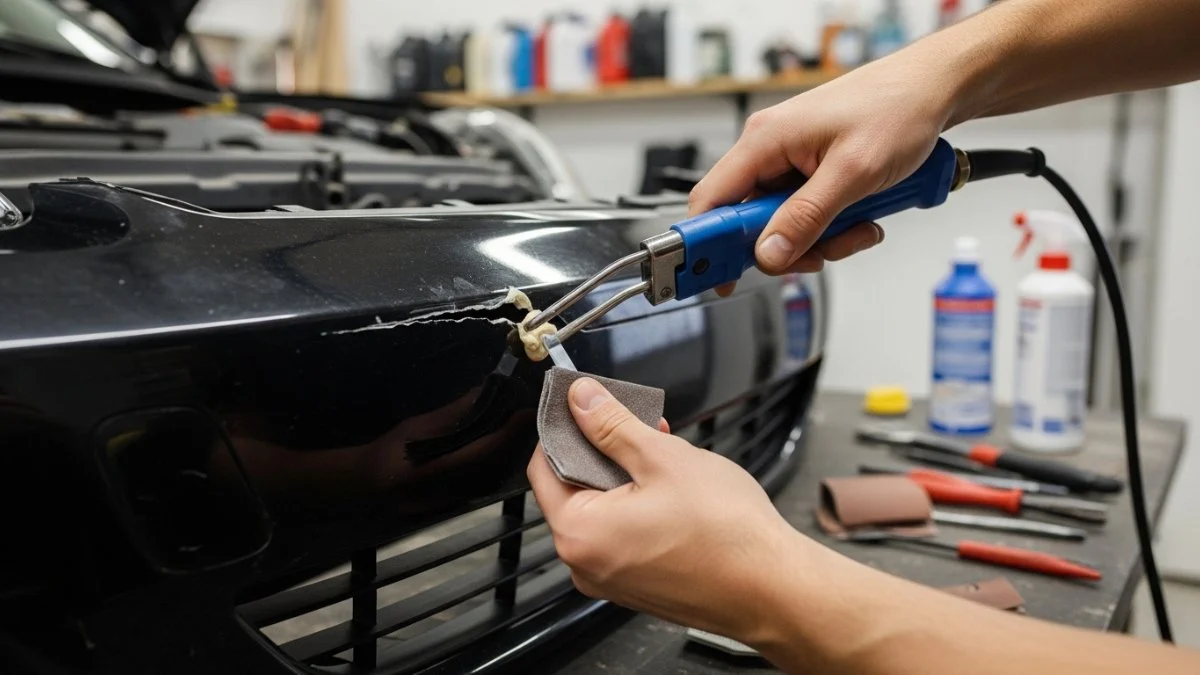
Repairing a plastic auto bumper typically involves cleaning the damaged area, sanding the surface, applying a plastic filler or welding material, reshaping the area, and repainting for a smooth finish.
Minor scratches and cracks can often be repaired at home, while deeper damage usually requires a professional auto body shop to ensure durability and proper color matching.
Understanding Plastic Bumper Damage Before You Start
Before you grab sandpaper or a repair kit, it helps to understand what you’re actually dealing with. Modern bumpers aren’t metal—they’re flexible plastic designed to absorb impact. That flexibility changes how damage appears and how it should be repaired.
Common Types of Bumper Damage
From my experience in the shop, most bumper issues fall into a few clear categories. Light scratches and scuffs are usually surface-level. These come from parking mishaps or brushing against objects and rarely affect the structure.
Cracks and dents are more serious. A crack means the plastic has split, which weakens the bumper’s integrity. Dents can often be reshaped, but only if the plastic hasn’t stretched too far.
Then there’s puncture damage. That’s when the bumper is fully compromised. At that point, repair becomes more complex and sometimes less reliable long-term.
Can You Repair It or Replace It?
This is where most drivers hesitate. Is it worth fixing, or should you replace the bumper entirely?
Minor scratches and shallow cracks are usually repairable with good results. I’ve seen DIY jobs hold up well when done carefully. But deeper cracks, especially those near mounting points, often need professional attention.
What this really means for drivers is simple: if the damage affects how the bumper fits or supports sensors, replacement may be safer. Repair saves money—but only when it doesn’t compromise function.
Also Read: How To Repair Auto Paint Scratches?
Step-by-Step: How To Repair Plastic Auto Bumpers (DIY Approach)

A proper DIY repair isn’t about rushing through steps. It’s about preparation, patience, and understanding how each stage affects the final result. Let’s break it down in a way that reflects what actually works in real shop conditions.
Tools and Materials You’ll Need
A successful repair starts with the right materials. Cheap kits often lead to uneven finishes or weak repairs.
Here’s what I recommend based on years of hands-on work:
- Cleaning solution (isopropyl alcohol or degreaser)
- Sandpaper (80, 180, 320, and 600 grit)
- Plastic body filler or repair kit
- Primer designed for plastic surfaces
- Color-matched automotive spray paint
- Clear coat for protection
You might also consider a plastic welding kit for deeper cracks. It’s not essential for small repairs, but it makes a big difference in durability.
Preparing The Damaged Area
This step determines whether your repair lasts or fails within weeks. Dirt, grease, and loose paint will ruin adhesion.
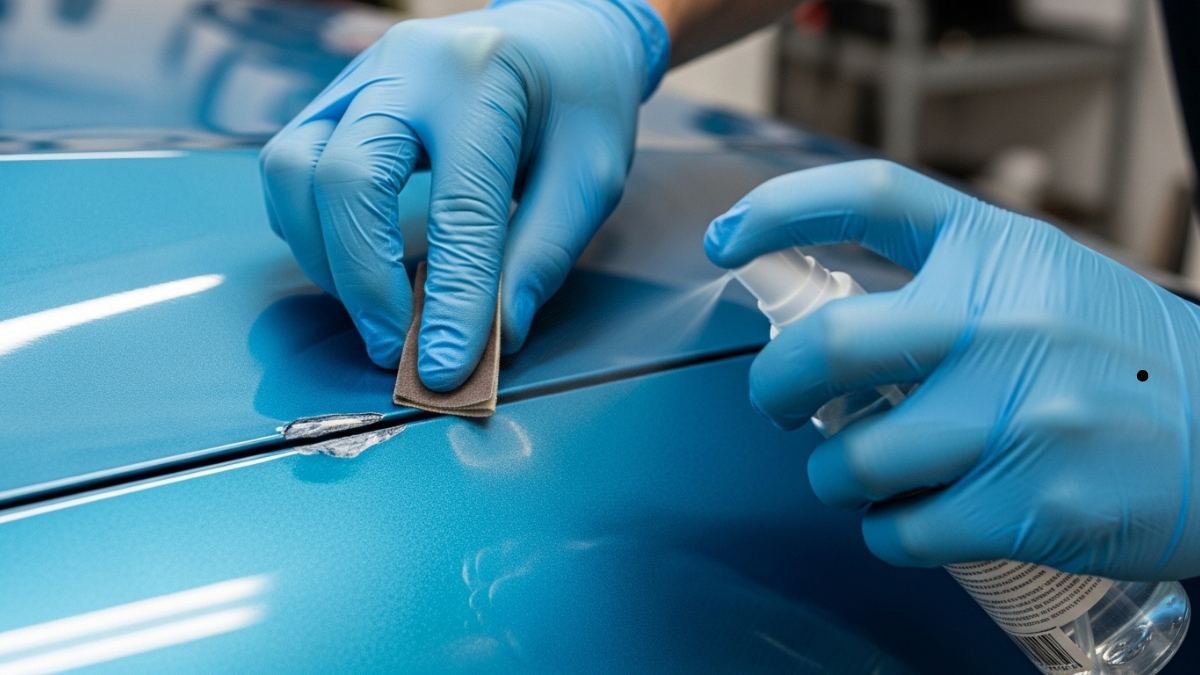
Start by cleaning the area thoroughly. Then sand down the damaged section until you reach stable, smooth plastic. Feather the edges so the repair blends naturally.
From my experience in the shop, most failed DIY repairs come from poor prep—not bad materials. Take your time here. It matters more than anything that follows.
Repairing Cracks and Holes
Cracks need reinforcement, not just surface filling. That’s where many DIY attempts fall short.
For small cracks, a plastic filler works well. Apply it in thin layers and allow proper curing time. Rushing this step weakens the repair.
For larger cracks, plastic welding is the better option. It fuses the material back together instead of just covering it. I’ve repaired bumpers this way that lasted for years without issues.
Think about durability, not just appearance. A smooth finish means nothing if the crack reopens.
Sanding, Priming, and Painting
Once the repair is solid, shaping and finishing come next. Sand the area gradually with finer grits until it feels completely smooth.
Primer is essential. It helps paint adhere and prevents uneven color. Apply it evenly and let it cure fully before moving on.
Paint matching is where DIY jobs often struggle. Factory colors can vary depending on lighting and age. You can get close, but perfect blending takes experience and professional tools.
Final Finishing and Inspection
The final step is where everything comes together. Apply a clear coat to protect the paint and add a consistent finish.
After drying, inspect the area closely. Look for uneven texture, color differences, or weak spots in the repair.
From my experience in the shop, a good repair should feel as smooth as the surrounding surface and hold up under light pressure. If it doesn’t, something was missed earlier in the process.
Also Read: How To Repair Peeling Auto Paint?
When It’s Better To Trust A Professional Auto Body Shop

Not every bumper repair should be a DIY project. Some jobs require tools, experience, and precision that go beyond what most drivers can realistically achieve at home.
Signs You Should Skip DIY Repair
Certain types of damage should immediately raise a flag. Deep cracks that run across the bumper usually need structural reinforcement.
Paint damage involving metallic or pearl finishes is another challenge. Matching those finishes without professional equipment is extremely difficult.
If the damage sits near sensors or mounting brackets, it’s best to step back. Modern vehicles rely on precise alignment, and even a small mistake can cause bigger issues.
What Certified Technicians Do Differently
There’s a clear difference between a DIY repair and professional work. In a shop, we use heat tools to reshape plastic accurately, not guesswork.
Plastic welding equipment allows us to restore strength, not just appearance. Then comes precision sanding and computerized paint matching systems.
What this really means for drivers is consistency. A professional repair doesn’t just look good—it lasts. That’s the difference you’re paying for.
Certifications and Experience That Matter
Not all shops deliver the same level of quality. Look for ASE-certified technicians and shops with manufacturer training.
These certifications reflect real testing and hands-on experience. They show that the technician understands modern materials and repair standards.
I’ve worked alongside certified and non-certified techs over the years. The difference shows up in the details—fitment, finish, and long-term durability.
Final Thoughts
Repairing a plastic auto bumper comes down to understanding the difference between a quick fix and a lasting solution. Minor damage can often be handled at home with the right approach, but more complex repairs demand experience and proper equipment. What matters most is not just how the bumper looks after the repair, but how well it holds up over time.
At AHS Rankers, the goal is to remove the guesswork from that decision. Instead of relying on paid placements or surface-level listings, the focus stays on real-world performance, verified customer feedback, and practical insights that reflect how repair shops actually operate.


Add your first comment to this post