 Skip to content
 A small dent from a parking lot mishap or a scraped bumper after a minor collision can quickly become a source of stress. Most drivers immediately start asking the same questions: How bad is the damage? How to repair auto body damage? Will the repair hold up over time?
As per my experience at AHS Rankers, being an ASE-certified automotive professional with more than 20 years of hands-on experience, I’ve inspected thousands of damaged vehicles ranging from simple door dings to major collision repairs.
Plus, one thing I’ve learned is that understanding the repair process helps drivers make smarter decisions and avoid unnecessary expenses.
In this guide, I’ll explain how to repair auto body damage, when professional help makes sense, what affects repair quality, and how to evaluate repair options with confidence.
What Is the Best Way to Repair Auto Body Damage?
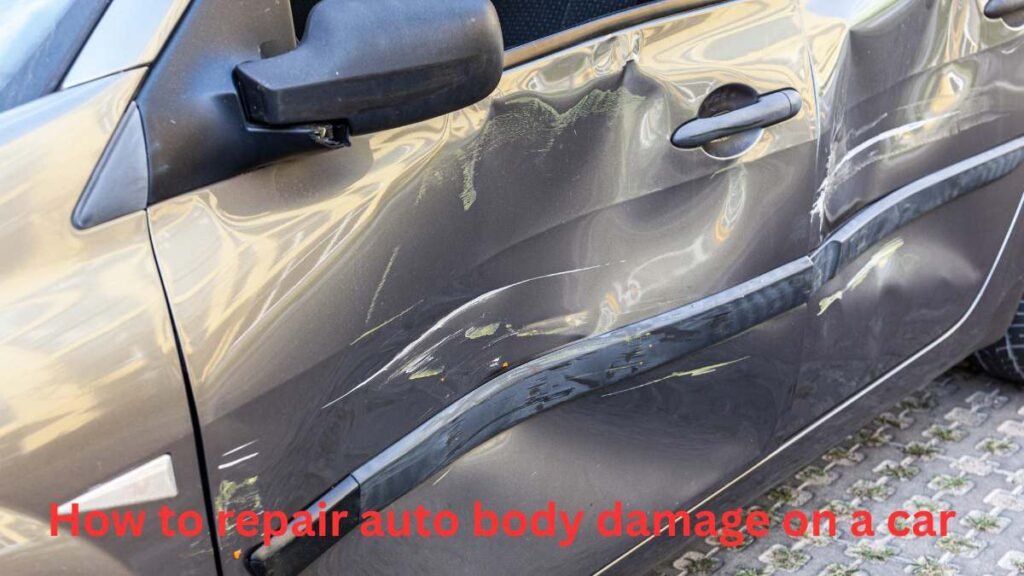
The best way to repair auto body damage depends on its severity and location. Minor scratches, paint chips, and small dents may be repairable with basic tools and proper techniques.
At the same time, collision damage, structural issues, and major panel repairs usually require professional equipment and trained technicians in an auto repair shop. A thorough inspection is always the first step because visible damage rarely tells the entire story.
Understanding Different Types of Auto Body Damage
Before any repair begins, it’s important to understand exactly what you’re looking at. Not all body damage affects a vehicle the same way. Some problems are purely cosmetic, while others can impact safety, structural integrity, and long-term reliability.
From my experience in the shop, proper identification often determines whether a repair succeeds or creates bigger problems later.
Surface Scratches and Paint Damage
Surface scratches are among the most common types of vehicle damage I see. Many occur in parking lots, from shopping carts, tree branches, road debris, or accidental contact with other vehicles.
The first question I ask is simple: How deep is the scratch? If the damage only affects the clear coat, repairs are often straightforward. Once the scratch reaches the paint layer or bare metal, the repair becomes more involved.
What this really means for drivers is that waiting too long can create additional problems. Exposed metal may begin developing corrosion, especially in areas with frequent moisture exposure. A minor scratch that costs little to repair today can become a much larger paint restoration project later.
Minor Dents and Door Dings
Small dents may seem harmless, but repair difficulty depends heavily on location, depth, and paint condition. A shallow dent in the center of a door panel is very different from a crease near a body line.
Many modern dents can be corrected through Paintless Dent Repair (PDR). This process carefully massages the metal back into shape without affecting the original paint finish. I’ve seen remarkable results when dents are addressed early.
The key factor is whether the paint remains intact. Once paint cracks or stretches significantly, traditional body repair methods often become necessary. Proper assessment helps determine the most cost-effective solution before repairs begin.
Bumper Damage
Bumpers are designed to absorb impact energy, which means they often take damage even during low-speed incidents. Scratches, scuffs, cracks, and deformation are all common outcomes after minor collisions.
Many drivers assume bumpers are purely cosmetic components. In reality, modern bumpers contain structural elements that contribute to crash protection. A damaged bumper may not perform as intended during another impact.
From my experience in collision repair environments, some bumper damage can be repaired effectively, while other situations require replacement. The decision depends on crack severity, material condition, and manufacturer repair recommendations.
Structural and Frame Damage
Structural damage is where professional evaluation becomes critical. Damage to the frame or unibody structure can affect alignment, handling, crash protection, and tire wear.
The challenge is that structural problems are not always obvious. A vehicle may appear relatively normal while hiding significant underlying issues beneath body panels.
I always recommend a thorough inspection after any meaningful collision. Modern repair facilities use measuring systems that verify structural dimensions against factory specifications. That level of precision simply cannot be achieved through visual inspection alone.
How to Repair Auto Body Damage Step by Step

Every successful repair follows a logical process. Professional body shops don’t start with paint or cosmetic work. They begin by understanding the full extent of the damage and creating a repair strategy. Let’s break it down into the same sequence quality repair facilities typically follow.
Inspect and Assess the Damage
The inspection stage is arguably the most important part of the entire repair process. A rushed assessment often leads to missed damage, inaccurate estimates, and disappointing repair outcomes.
When examining a vehicle, I look beyond visible dents and scratches. Panel gaps, alignment issues, hidden cracks, and structural concerns frequently reveal themselves during careful inspection.
Many repair facilities also remove trim pieces or panels when necessary. This approach helps uncover damage that cannot be seen from the exterior. A complete assessment creates the foundation for every repair decision that follows.
Clean the Damaged Area
Repair work begins with a clean surface. Dirt, road grime, waxy residue, and contaminants interfere with nearly every stage of the repair process.
A proper cleaning allows technicians to evaluate damage more accurately. Small cracks, paint fractures, and subtle imperfections become easier to identify once contaminants are removed.
What this really means for drivers is that preparation matters. Professional-quality repairs depend heavily on the surface condition before any sanding, filling, or refinishing work begins. Skipping this step often compromises the final result.
Repair Dents and Damaged Panels
Once the area is prepared, technicians focus on restoring the original panel shape. The chosen repair method depends on the type and severity of damage.
Small dents may respond well to specialized dent removal techniques. Larger damage often requires panel reshaping, body filler application, or partial panel replacement. Every repair should aim to restore the manufacturer’s intended shape and strength.
From my experience in the shop, patience separates quality work from shortcuts. Rushing metal repair usually creates problems that become visible later, particularly after paint is applied.
Address Scratches and Paint Damage
Paint repair requires precision because color matching and surface preparation directly affect appearance. Even a slight mismatch becomes noticeable under sunlight.
The process typically involves sanding damaged areas, applying primer, refinishing with matched paint, and blending adjacent panels when necessary. Professional facilities use computerized color-matching systems to improve accuracy.
Drivers often focus on the paint itself, but preparation determines the outcome. Most paint failures trace back to inadequate surface preparation rather than the paint product being used.
Refinish and Protect the Surface
The final stage involves applying protective clear coat layers and completing finishing work. This step restores gloss, durability, and environmental protection.
Modern clear coats help defend against UV exposure, contaminants, and everyday wear. After curing, technicians may perform polishing and final quality inspections to verify appearance and consistency.
A quality repair should blend naturally with surrounding panels. The goal isn’t simply to make damage less noticeable. The goal is to restore the vehicle’s appearance and protection as closely as possible to its pre-damage condition.
When DIY Repairs Make Sense and When to Call a Professional
Not every dent or scratch requires a full collision shop visit. From my experience, knowing where DIY stops and professional repair begins saves drivers both money and frustration. The mistake I see most often is assuming all visible damage is “simple,” when hidden issues can tell a very different story.
Repairs Many Vehicle Owners Can Handle
Some repairs are genuinely manageable at home if the damage is minor and purely cosmetic. Small paint chips, light surface scratches, and shallow scuffs often respond well to touch-up kits or basic polishing methods.
What this really means for drivers is that you can restore appearance without heavy tools or advanced training. The key is restraint. If you start seeing exposed metal, deep gouges, or uneven surfaces, the repair complexity increases quickly.
From my experience in the shop, DIY works best when you’re improving appearance—not restoring structural integrity. If the repair affects safety or alignment, it’s no longer a home project.
Repairs Best Left to Professionals
Once damage extends beyond the surface level, professional repair becomes necessary. This includes frame damage, collision impacts, panel deformation, and airbag deployment scenarios.
These repairs require calibrated equipment and trained technicians working with the manufacturer’s repair procedures. Skipping professional involvement here often leads to long-term issues like uneven tire wear or reduced crash safety performance.
A question I often ask drivers is simple: “If this car were in another accident tomorrow, would you trust that area again?” If the answer feels uncertain, professional repair is the only responsible option.
Warning Signs of Hidden Damage
Not all damage is visible after a collision. I’ve inspected vehicles that looked fine externally but revealed serious issues underneath.
Watch for uneven panel gaps, steering pull, vibration at highway speeds, or unusual tire wear patterns. Water leaks and wind noise can also indicate misalignment or structural movement.
These signs often point to deeper issues that require measurement tools and frame inspection systems. Ignoring them usually leads to higher repair costs later and can compromise safety.
Choosing a Trustworthy Auto Body Repair Shop
This is where most drivers feel uncertain. Two shops can give very different answers for the same damage. One focuses on speed and price. The other focuses on process, documentation, and long-term quality. Knowing the difference matters more than most people realize.
Look for ASE Certifications and Industry Training
A reliable shop invests in training and certification. I always pay attention to ASE-certified technicians and manufacturer-specific repair credentials.
These certifications indicate more than technical knowledge. They show a commitment to following proper repair procedures instead of shortcuts. Modern vehicles require updated training because materials and repair systems change constantly.
From my experience, shops that prioritize certification tend to produce more consistent, predictable results.
Evaluate Customer Reviews and Reputation
Reviews are useful, but patterns matter more than individual comments. I look for repeated themes: communication quality, repair consistency, and post-repair satisfaction.
If multiple customers mention delays without explanation or unresolved issues, that’s a warning sign. On the other hand, consistent praise for transparency and workmanship usually signals reliable service.
What this really means for drivers is that reputation is built over time, not through isolated experiences.
Review the Repair Process and Communication
A trustworthy shop explains the repair plan clearly before work begins. You should know what is being repaired, why it is needed, and how long it will take.
From my experience, poor communication often leads to misunderstandings about cost and timeline. Professional shops provide updates and adjust expectations when hidden damage is found. A good repair process feels structured, not uncertain.
Ask About Warranties and Quality Assurance
Reputable body shops stand behind their work. A clear warranty on paint and structural repairs shows confidence in workmanship.
If a shop avoids discussing warranties or provides vague terms, that’s worth noting. Quality repairs should not require guesswork about durability.
Long-term assurance is one of the strongest indicators of repair integrity.
Understand Insurance and Repair Coordination
Insurance involvement can influence repair decisions, but it should never replace quality judgment. Shops that work with insurance companies still have a responsibility to follow proper repair standards.
From my experience, the best shops balance insurer requirements with manufacturer guidelines and customer safety. The goal is proper repair, not the fastest or cheapest approval.
What Sets High-Quality Body Shops Apart
The best repair facilities consistently demonstrate a few key traits: detailed inspections, precise paint matching, modern equipment, and strong attention to alignment and finish.
You can often see quality in the small details, door alignment, smooth paint transitions, and clean finishing work. These shops treat repairs as restoration, not just cosmetic correction.
Common Auto Body Repair Mistakes to Avoid
Even experienced drivers make avoidable mistakes when dealing with body damage. These errors usually come from urgency, uncertainty, or focusing too heavily on cost instead of outcome.
Ignoring Minor Damage Too Long
Small scratches or dents may not seem urgent, but they can develop into larger problems over time. Exposed metal begins to oxidize, and moisture accelerates deterioration.
From my experience, early repair is almost always cheaper than delayed repair. What starts as a cosmetic issue can turn into a panel replacement if ignored.
Choosing Price Over Quality
Low-cost repairs can be tempting, especially after an accident. However, lower pricing often reflects shortcuts in materials or labor time.
I’ve seen repairs that looked fine initially but failed within months due to poor preparation. Quality repair work should last as long as the vehicle itself is maintained properly.
Skipping Written Estimates
A written estimate is more than a price quote. It defines the scope of work, materials, and expectations.
Without documentation, misunderstandings become common. A clear estimate protects both the customer and the shop.
Overlooking Repair Warranties
A repair without warranty support leaves you exposed if issues appear later. Paint defects, alignment problems, or finishing flaws should be covered when proper procedures are followed.
From my experience, warranty coverage reflects accountability. Shops confident in their work have no reason to avoid it.
Repair Costs and Factors That Influence Pricing
Repair pricing is often misunderstood. Two vehicles with similar damage can still produce very different estimates. The reason lies in complexity, materials, and required labor, not just visible damage.
Severity of Damage
Cosmetic damage costs significantly less than structural repairs. A small dent may require minimal work, while a collision affecting frame alignment involves multiple repair stages.
What this means for drivers is simple: more serious damage always multiplies cost and time.
Vehicle Make and Model
Luxury vehicles or newer models often require specialized parts and repair procedures. Some manufacturers require certified repair processes that increase labor time.
Parts availability also plays a major role in final cost and repair duration.
Paint and Material Requirements
Modern paint systems are complex. Matching metallic, pearl, or multi-stage finishes requires advanced equipment and expertise.
Even slight mismatches can affect vehicle appearance, making this one of the most critical cost factors.
Labor and Equipment Needs
Advanced repairs require calibrated tools, frame machines, and computerized measurement systems.
From my experience, shops investing in modern equipment tend to deliver more accurate and durable results, even if costs are slightly higher.
Final Thoughts
Auto body damage is more than a cosmetic inconvenience. It represents a decision point where drivers must choose between quick fixes and proper long-term repair. Understanding how damage is evaluated, repaired, and verified helps remove uncertainty from that decision.
From my experience at AHS Rankers, the difference between average and high-quality repair work always comes down to process, transparency, and technician skill, not advertising or pricing alone. That’s why our rankings focus on real trust signals, certifications, and customer experience rather than paid placement or promotional influence.
When drivers understand what quality repair truly looks like, they gain something more valuable than a fixed vehicle; they gain confidence in every repair decision they make.
Add your first comment to this post