 Skip to content
Peeling paint can make a dependable vehicle look worn before its time. The engine may run perfectly, yet the finish suggests neglect. That contrast frustrates many drivers who take pride in maintenance.
I have worked as an ASE-certified automotive technician for over twenty years. I have repaired everything from minor clear coat failures to full panel refinishing jobs.
If you are researching how to repair peeling auto paint, the correct approach depends on damage severity and repair quality.
Let’s walk through this methodically and keep it practical.
What Is The Best Way To Repair Peeling Auto Paint?
The best repair method depends on how far the paint failure has progressed. Small clear coat peeling can sometimes be sanded and refinished successfully. Widespread peeling usually requires complete panel repainting for lasting durability.
Proper surface preparation determines whether the repair holds or fails prematurely. In my experience, rushed prep work causes most repeat peeling issues. The goal is restoring adhesion, not simply improving appearance.
Why Auto Paint Peels In The First Place

Among auto repair related issues, paint repairing is the most complex one. Understanding why paint peels helps you choose the right repair strategy. Modern automotive paint consists of layered systems designed for protection. When one layer fails, the entire structure becomes vulnerable.
Treating the symptom without addressing the cause often leads to repeat damage. Identifying the root problem saves time and money.
1. Clear Coat Failure Explained
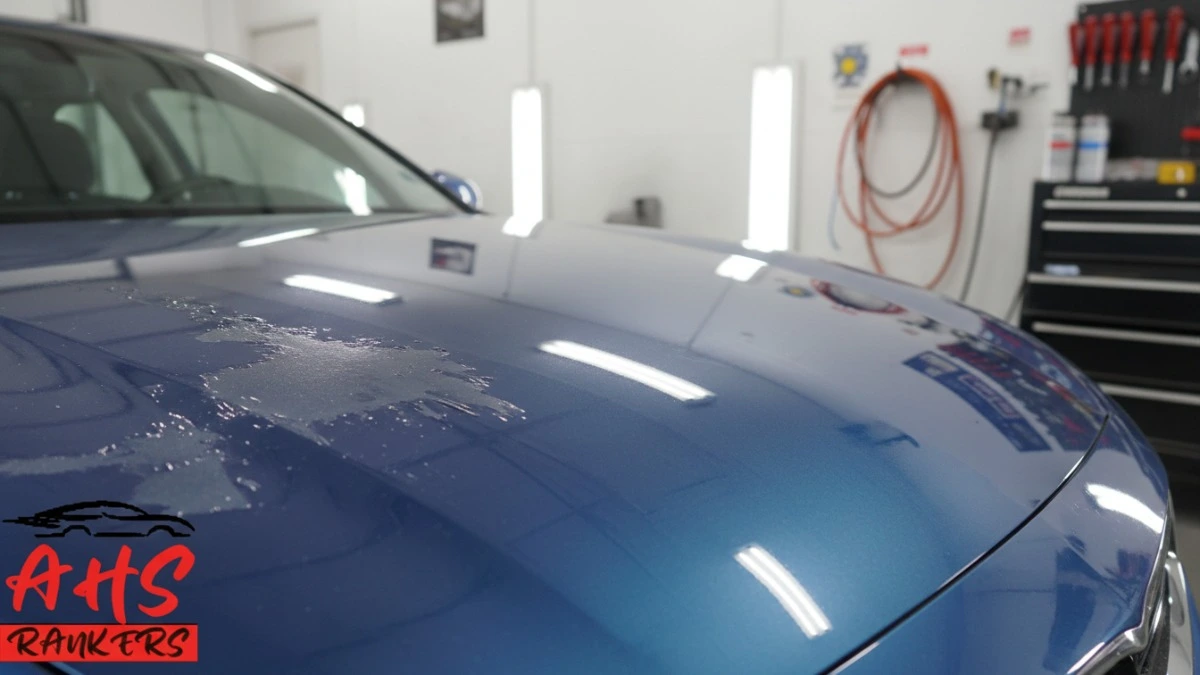
Most peeling begins with clear coat breakdown from prolonged UV exposure. The clear coat protects the base color from sunlight, moisture, and debris. Over time, constant heat weakens its chemical bond to the layer beneath.
Roofs and hoods usually show failure first due to direct sunlight. Once adhesion weakens, the surface begins flaking or bubbling. Early intervention prevents deeper damage to the base coat.
2. Poor Previous Repair Work
Improper refinishing often leads to premature peeling. Paint requires careful sanding, cleaning, and correct primer application. Skipping these steps weakens adhesion between layers.
I have inspected vehicles that looked fine immediately after repainting. Within a year, edges began lifting due to poor preparation. Surface prep determines durability more than brand name materials.
3. Environmental and Maintenance Factors
Climate significantly affects paint longevity. Harsh sunlight, road salt, and chemical detergents accelerate oxidation. Vehicles parked outdoors year-round experience faster clear coat degradation.
Regular washing and waxing slow this process. Protective layers reduce UV damage and moisture intrusion. Maintenance habits directly influence how long paint remains intact.
How To Repair Peeling Auto Paint? Try These Options

Repair strategy depends on the size and depth of the affected area. Small isolated spots require a different approach than widespread delamination. Choosing correctly prevents unnecessary expense and repeat work.
Let’s break down the realistic repair paths.
Option 1 – Minor DIY Clear Coat Repair
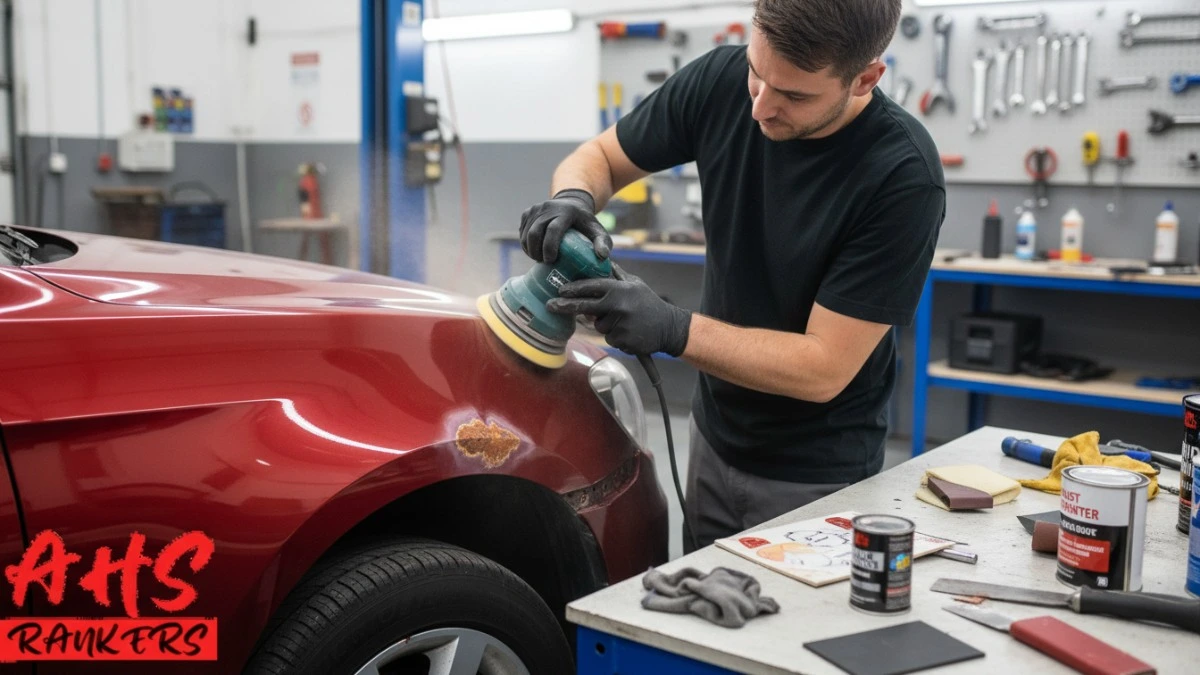
Limited clear coat peeling can sometimes be stabilized at home. The damaged area must be sanded smooth with feathered edges. Cleaning thoroughly before applying a new clear coat is essential.
This method improves appearance but rarely restores factory finish quality. Aerosol products lack controlled spray booth precision. DIY repairs work best as temporary cosmetic improvements.
Option 2 – Sanding and Repainting A Panel
Larger peeling areas require sanding down to a stable surface. Primer, base coat, and clear coat must be applied in proper sequence. Each layer requires correct curing time for strong adhesion.
Color matching presents challenges, especially with metallic finishes. Blending into adjacent panels prevents visible contrast lines. Controlled spray environments improve consistency and durability.
Option 3 – Professional Refinishing
Extensive peeling typically requires professional refinishing. A reputable auto body shop will strip compromised paint and inspect for corrosion. They apply manufacturer-approved systems under controlled conditions.
Look for shops employing ASE-certified technicians and offering written warranties. These factors signal accountability and technical competence. Professional refinishing costs more but delivers longer-lasting results.
Also Read: How To Repair Auto Paint Scratches?
Cost Expectations For Peeling Paint Repair
Drivers often ask about price first. Cost varies based on damage scope, vehicle size, and paint type.
Minor clear coat repair costs far less than multi-panel refinishing. Metallic finishes increase labor due to blending requirements.
Cheap quotes usually signal reduced prep time or lower-grade materials. From my experience, rushed prep is the number one cause of premature paint failure.
Quality refinishing is labor-intensive. That investment protects your vehicle’s value.
Choosing A Trusted Auto Body Shop
Selecting the right facility matters as much as choosing the repair method. Paint refinishing requires technical skill and disciplined preparation. Not every shop maintains the same standards.
Evaluating trust indicators reduces uncertainty before committing. Here’s hwo to choose a trusted auto repair shop:
Certifications and Technical Training
Technicians holding ASE certification demonstrate professional commitment. Ongoing refinishing training ensures familiarity with modern paint systems. Certification signals accountability, though it does not replace experience.
Manufacturer-approved paint systems also matter. Shops investing in proper training typically follow correct procedures. Discipline during prep work separates durable repairs from temporary fixes.
Review Consistency and Reputation
Consistent positive reviews over several years indicate reliable performance. Detailed feedback about paint matching and communication carries meaningful weight. Patterns matter more than isolated praise.
Facilities that maintain organized workspaces often reflect professional standards. Clean spray booths signal attention to detail. Reputation builds through consistent results, not marketing claims.
Warranty and Transparency
Trustworthy shops provide written estimates outlining materials and labor clearly. Clear communication reduces misunderstandings before work begins. Transparency is a strong indicator of professionalism.
Written paint warranties demonstrate confidence in workmanship. Shops unwilling to guarantee refinishing may cut corners. Accountability protects both parties in the repair process.
What Makes A Shop Stand Out
In my two decades in the industry, the best refinishing shops share common traits:
- Clean, well-maintained spray booths
- Documented repair processes
- Skilled prep technicians
- Clear warranty policies
Attention to detail during sanding and masking often separates average work from exceptional results.
Craftsmanship matters.
Common Mistakes You Should Avoid

Many paint repairs fail because shortcuts were taken. I have corrected numerous rushed jobs that cost drivers more later. Avoiding common errors improves long-term outcomes.
Preparation and patience determine durability. Avoid these mistakes to get the right service for your spendings.
1. Skipping Proper Sanding
Applying a new clear coat over peeling areas does not restore adhesion. The compromised layer beneath continues separating over time. This approach produces short-term improvement only.
Proper sanding removes unstable material completely. Creating a stable surface ensures new paint bonds correctly. Nearly every repeat failure traces back to poor preparation.
2. Ignoring Rust Development
Peeling sometimes exposes bare metal beneath the surface. Moisture intrusion leads to corrosion that spreads quickly. Rust must be removed before repainting begins.
Primer formulated for corrosion resistance is essential. Ignoring rust leads to bubbling and repeated lifting. Early treatment prevents structural deterioration.
You can also read my detailed blog on how to fix auto rust spots.
3. Choosing The Cheapest Estimate
Extremely low quotes often indicate reduced prep work. Paint refinishing is labor-intensive and time sensitive. Cutting labor time weakens adhesion and durability.
Research certifications, warranties, and review history carefully. Long-term durability outweighs short-term savings. Quality workmanship protects your vehicle’s value.
Preventing Peeling Paint In The Future
Preventive care significantly extends paint life. Small habits reduce exposure to damaging elements. Maintenance remains more affordable than refinishing.
Consistency makes the difference over time. Follow these tips to prevent future pain peeling:
1. Routine Washing and Waxing
Regular washing removes contaminants that degrade clear coat. Waxing adds a protective barrier against UV radiation. This barrier slows oxidation and surface breakdown.
Vehicles exposed to intense sunlight benefit most from protection. Even older finishes respond well to consistent care. Preventive maintenance delays clear coat failure.
2. Parking and Environmental Protection
Garage storage greatly reduces UV exposure and weather damage. When indoor parking is unavailable, quality car covers provide protection. Reduced exposure slows chemical breakdown.
Environmental control preserves gloss and structural integrity. Protective habits extend paint longevity. Small adjustments produce measurable long-term benefits.
3. Addressing Paint Chips Early
Stone chips create entry points for moisture intrusion. Touch-up paint seals exposed metal before corrosion begins. Small repairs prevent larger peeling areas later.
Proactive attention preserves the integrity of the paint system. Minor maintenance reduces the likelihood of costly refinishing. Early action protects long-term value.
Final Thoughts
Peeling paint begins as a cosmetic issue but can evolve into structural risk. Understanding how to repair peeling auto paint helps you choose the correct solution confidently. The right repair method depends on severity, preparation, and application quality.
From decades of hands-on refinishing experience, one principle remains consistent. Careful preparation determines durability more than speed or cost. Whether repairing a small area or refinishing a full panel, focus on process and accountability.


Add your first comment to this post