 Skip to content
How Can You Repair Auto Paint Scratches Safely?
Auto paint scratches can be safely repaired by assessing their depth and choosing the appropriate method, polishing for light scratches or touch-up paint for deeper ones.
Shallow clear-coat scratches can often be buffed out at home, while deeper scratches that reach the paint or metal should be repaired promptly, either with touch-up paint or professional service, to prevent corrosion and long-term damage.
I’ve watched drivers panic over paint scratches more times than I can count. Sometimes it’s a brand-new car. Sometimes it’s a daily commuter that still matters deeply to its owner.
The concern is rarely just cosmetic. It’s about resale value, rust, and whether a small mistake today becomes an expensive repair tomorrow.
After more than 20 years working hands-on as an ASE-certified automotive professional, I’ve learned that confusion around paint scratches leads people to either ignore real damage or overpay for simple fixes.
If you’re searching for how to repair auto paint scratches, you’re probably trying to make a smart decision without getting taken advantage of. That’s exactly what this guide is for.
I’ll walk you through what actually works, what doesn’t, and how professionals evaluate scratches in the real world—not in a sales brochure.
Understanding Different Types of Auto Paint Scratches
Before tools, products, or price estimates come into the picture, you need to understand what kind of scratch you’re dealing with. From my experience in the shop, most repair mistakes happen because the scratch was misjudged.
Depth matters far more than length or visibility. What this really means for drivers is that the right fix depends on which paint layer is damaged—not how bad it looks at first glance.
Modern vehicles have multiple paint layers, each serving a purpose. Once you know which layer is affected, the repair path becomes much clearer and far less stressful.
Clear Coat Scratches
Clear coat scratches are the most common and the least serious type I see. These usually show up as light swirl marks or faint lines that become more visible in direct sunlight. If your fingernail doesn’t catch when you run it over the scratch, it’s almost always limited to the clear coat.
These scratches respond well to polishing or mild paint correction. The clear coat is designed to be corrected to a degree, which is why professionals measure paint thickness before working on it. A quality compound, used correctly, can level the surface and restore gloss without removing too much material.
What matters here is restraint. Over-polishing thins the clear coat and shortens the paint’s lifespan. This is where DIY repairs often go wrong—not from lack of effort, but from pushing too far.
Paint Layer Scratches
Paint layer scratches cut through the clear coat and into the color layer beneath. You’ll usually see a distinct color change or dull line where the scratch sits. At this stage, polishing alone won’t fix the problem because material is already missing.
When I inspect these scratches, the first concern is exposure. Even if the metal isn’t visible yet, the paint layer protects against moisture intrusion. Touch-up paint becomes the correct solution here, applied carefully in thin layers. Factory paint codes matter more than people realize, especially on metallic or pearl finishes.
Primer or Metal-Deep Scratches
Once a scratch reaches the primer or bare metal, the situation changes entirely. These scratches often appear white, gray, or silver depending on the layer exposed. From a professional standpoint, this is no longer cosmetic damage—it’s a durability issue.
Bare metal will oxidize. I’ve seen small scratches turn into bubbling rust within months, especially in humid or winter climates. At this depth, touch-up paint may offer temporary protection, but it’s rarely a long-term fix. Proper sealing, priming, and repainting are usually required.
Also Read: How To Repair Auto Leather Seats?
How To Repair Auto Paint Scratches At Home (When It’s Safe)
DIY paint scratch repair can make sense, but only within clear limits. I’ve seen plenty of successful home fixes, and I’ve also repaired many that made the damage worse.
What this really means for drivers is that DIY works best when the scratch is shallow, the expectations are realistic, and the process is controlled. Once repairs move beyond the clear coat or light paint damage, skill matters more than enthusiasm.
Let’s break it down step by step, starting with preparation, which is where most outcomes are decided.
1. Washing and Surface Prep
Proper surface preparation determines whether a repair blends in or stands out forever. In the shop, we spend more time cleaning and inspecting than actually repairing. Dirt, road film, and wax residue hide the true depth of scratches and interfere with any correction product.
Start with a thorough wash using a proper automotive soap, not household cleaners. Dry the area completely and inspect the scratch under direct light. According to my knowledge, skipping this step leads to sanding or polishing contaminants into the paint, creating new damage around the original scratch.
Surface prep also includes degreasing when necessary. Polishes and touch-up paint won’t bond correctly if oils are present. This is boring work, but it’s where good results begin.
2. Using Scratch Removal Compounds
Scratch removal compounds work by leveling the surrounding clear coat to reduce the appearance of the scratch. This is effective only when enough clear coat remains. I’ve corrected countless scratches this way, but I’ve also seen people burn through clear coat by applying too much pressure or repeating passes too aggressively.
Compounds should be used sparingly with controlled motion. Machine polishers offer consistency, but hand application can work if patience is applied. What matters most is stopping early and reassessing. The goal isn’t perfection—it’s improvement without sacrificing protection.
3. Touch-Up Paint Techniques
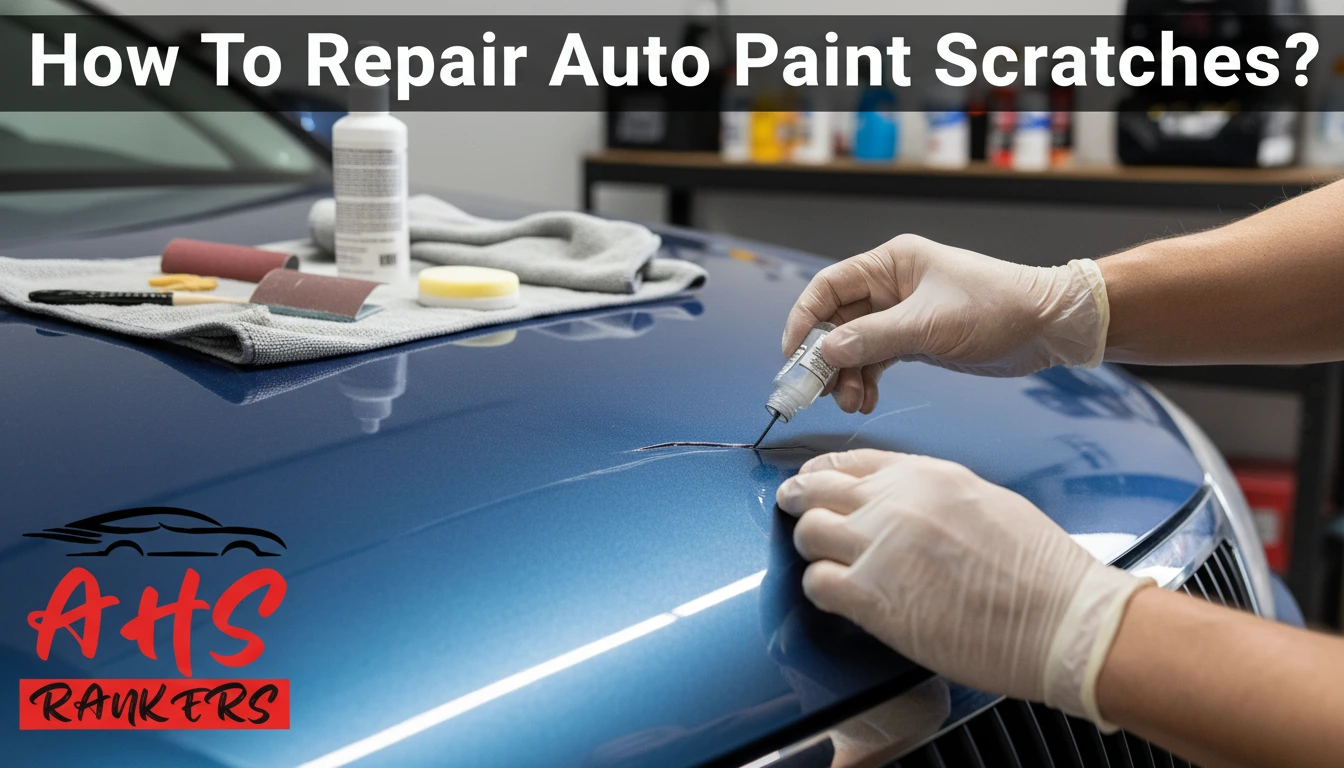
Touch-up paint repairs demand precision, not speed. Factory paint codes ensure color accuracy, but application technique determines whether the repair blends or blobs. From my experience, thin layers applied over time outperform heavy single coats every time.
Each layer must dry fully before the next is applied. After curing, light leveling may be required, followed by polishing to blend gloss. Skipping drying time is the most common failure point I see in DIY touch-ups.
When Professional Auto Paint Repair Is the Better Option
There’s a point where DIY stops being cost-effective and starts becoming risky. I say this as someone who values practical solutions, not upsells.
When scratches reach the paint or metal layer, professional repair often saves money long-term. The difference lies in tools, training, and controlled environments that simply aren’t available at home.
Professional Paint Correction
Professional paint correction uses calibrated machines, measured pressure, and paint thickness gauges to safely restore finish quality. This isn’t guesswork. Technicians trained in correction understand how much clear coat can be safely removed without compromising durability.
ASE-certified professionals and dealer-trained technicians follow controlled processes designed to preserve factory paint. I’ve corrected scratches that DIY attempts made worse, restoring clarity without repainting when enough material remained.
Panel Repainting Vs. Spot Repair
Deciding between spot repair and full panel repainting is a judgment call based on scratch depth, location, and paint type. Spot repairs work best on isolated damage away from panel edges. Metallic and pearl paints often blend poorly when repaired in small sections.
As per my experience, repainting an entire panel delivers more consistent color and durability when damage is widespread. While the upfront cost is higher, the finish typically lasts longer and avoids visible blend lines.
Certifications and Training That Matter
Not all paint repairs are equal, and credentials help separate skilled professionals from shortcuts. ASE certification, manufacturer training, and experience with modern paint systems all matter. These aren’t just logos on a wall—they reflect repeatable standards.
Shops that invest in training also tend to document repairs clearly and stand behind their work. Customer reviews often mention communication quality just as much as visual results.
Real-World Cost, Results, and Expectations
Knowing what to expect in terms of cost, results, and repair quality is just as important as identifying the scratch type. As I have spent years in the shop, I’ve seen drivers make assumptions that lead to frustration—either paying too much for minor scratches or underestimating serious damage.
Typical Scratch Repair Costs
Scratch repair costs vary widely based on depth, size, and paint type. Light clear coat scratches might be corrected with polishing or compounding for under $100 at a professional shop.
Once paint layers or metal are involved, touch-up or spot repairs can range from $150–$400, depending on the panel and finish. Full panel repainting can exceed $500 on specialty paints like metallic or pearl finishes.
What drivers sometimes overlook is that price reflects materials, time, and expertise, not arbitrary markup. ASE-certified technicians, modern paint systems, and proper prep work all contribute to predictable outcomes.
What Real Customers Commonly Say
Customer feedback consistently highlights three factors: transparency, communication, and durability. In my own experience evaluating shops for AHS Rankers, reviews often praise technicians who explain the repair process and expected results honestly. Complaints usually focus on rushed work, color mismatch, or unclear pricing.
What this really means for drivers is that trust and clarity are as important as the repair itself. Shops with high ratings consistently balance quality, speed, and explanation.
How Experienced Shops Stand Out
Top shops differentiate themselves by paying attention to small but critical details. They ensure proper surface prep, precise paint mixing, and controlled application techniques. Some even document the repair stages with photos, helping customers see the value of each step.
These practices separate professionals from those who rely on shortcuts. When evaluating repair options, look beyond the price tag—trust, certification, and process consistency often determine the longevity of the repair.
Final Thoughts
Repairing auto paint scratches is as much about protection as it is about appearance. Minor scratches may be manageable at home, but deeper damage requires professional assessment to prevent corrosion and maintain long-term value.
At AHS Rankers, our evaluations are based on real-world experience, ASE certifications, and hands-on observations—not paid placements or advertising promises.
By understanding scratch types, realistic repair methods, and trust signals from shops, you can make informed decisions that safeguard your vehicle. The goal isn’t perfection—it’s confidence, clarity, and repairs that last without unnecessary stress or guesswork.




Add your first comment to this post