 Skip to content
Leather seats are one of the first things drivers notice when a vehicle starts to feel worn. I’ve seen it countless times in the shop—everything else runs perfectly, but a cracked or torn seat makes the car feel neglected.
When drivers search how to repair auto leather seats, the real concern isn’t cosmetic. It’s whether the damage can be fixed without wasting money or making it worse.
After more than 20 years of hands-on repair work, I’ve learned that leather repair is about understanding material behavior, not quick fixes. Some damage responds well to repair. Other issues require professional intervention to hold up long term.
This guide breaks down what actually works, what doesn’t, and how to approach leather seat repair with clarity and confidence—without hype, guesswork, or product-driven advice.
Auto Leather Seat Damage – Overview

Before deciding how to repair auto leather seats, it’s important to understand why the damage happened. Leather doesn’t fail randomly. Every crack, tear, or faded patch tells a story about use, exposure, and maintenance.
From my experience, most failed repairs happen because the original damage was misunderstood. Fixing the symptom without addressing the cause leads to peeling, stiffness, or visible patching within weeks.
This section helps you identify what you’re actually dealing with before choosing a repair method.
Common Types of Leather Seat Damage
Most leather seat damage falls into predictable categories, each requiring a different repair approach. Treating them the same is a common mistake.
- Surface cracking
Caused by dried-out leather and UV exposure. The leather remains intact but loses flexibility.
- Tears and splits
Usually found on seat bolsters where weight and friction are highest. These require structural reinforcement.
- Color fading and finish wear
Occurs when the protective topcoat breaks down, leaving the leather vulnerable.
What this really means for drivers is simple: surface damage can often be repaired successfully, while deeper damage needs stabilization before cosmetic work even begins.
DIY Vs. Professional Leather Seat Repair – What Actually Works
Choosing between DIY and professional repair isn’t about skill level—it’s about matching the repair method to the damage. I’ve seen excellent DIY results and expensive professional failures.
The difference comes down to expectations and material limits. Understanding where DIY stops being effective prevents wasted money and repeat repairs.
When A DIY Leather Repair Kit Is Enough
DIY kits can work well when damage is limited and the leather structure is still sound. In real repair situations, these situations are good candidates:
- Light surface cracks that don’t open when pressed
- Minor scuffs or abrasion marks
- Small areas of color loss without exposed foam
What this really means for drivers is moderation. DIY leather seat repair improves appearance and slows deterioration, but it doesn’t restore factory strength. Patience and thin application layers are critical for acceptable results.
When Professional Repair Is The Better Option
Professional leather car seat repair becomes necessary when the damage affects strength or flexibility. These situations usually include:
- Deep cracks that spread when flexed
- Tears exposing foam or fabric backing
- Split seams or high-stress bolster damage
Professional repairs use backing materials, heat curing, and commercial-grade coatings designed to flex under daily use. From my experience, these repairs last significantly longer and protect resale value, especially on newer vehicles.
Here is a detailed video on the DIY damage repair:
How To Repair Auto Leather Seats? Step-by-Step Guide
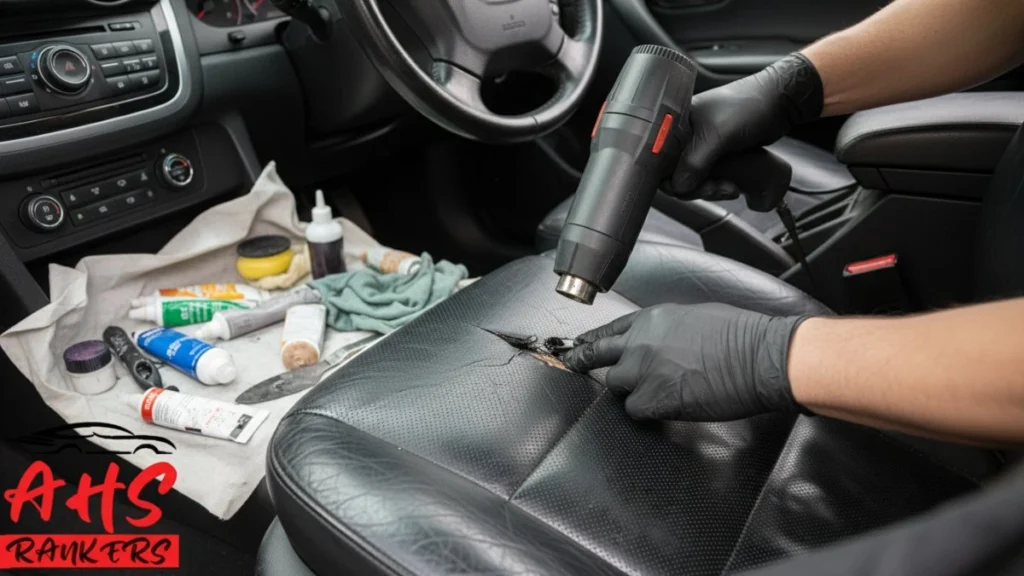
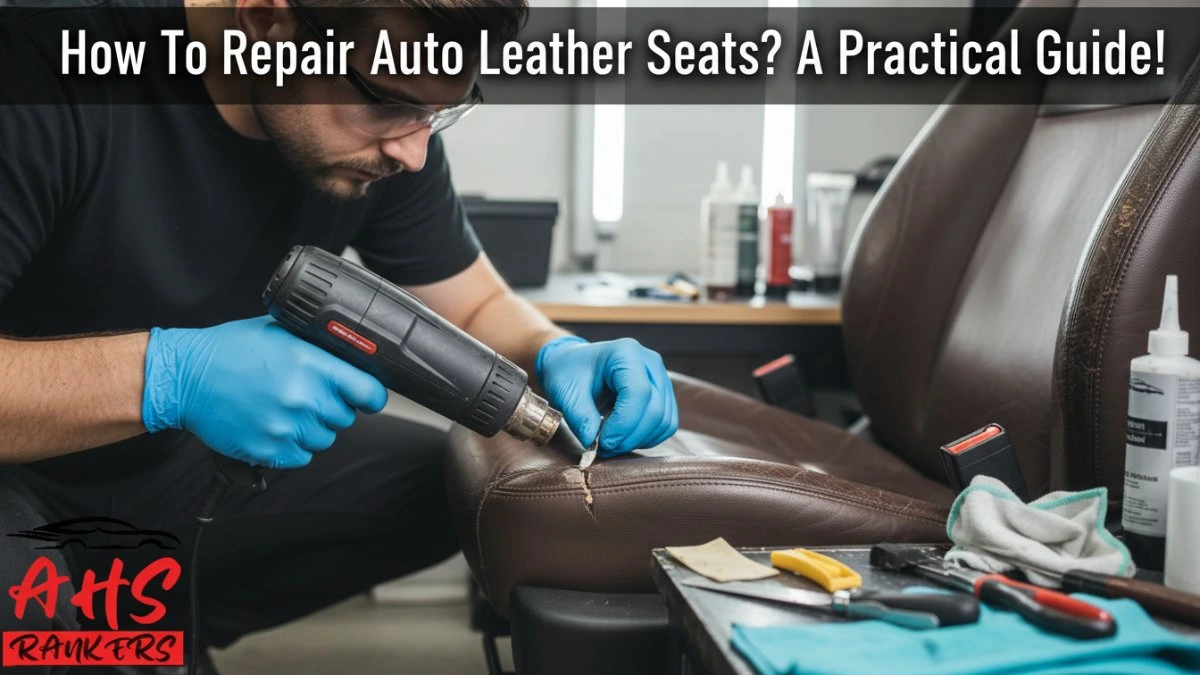
Repairing leather seats successfully is about following a controlled process. Each step builds on the one before it. Based on years of hands-on work in the shop, skipping or rushing even one stage usually leads to cracking, peeling, or mismatched color within weeks.
Let’s break it down in the exact order professionals follow.
1. Inspecting The Seat and Identifying Repair Depth
The first thing I do is determine how deep the damage goes. Leather can look worse than it is—or hide deeper structural problems. I gently press and flex the area to see whether cracks open or stay stable. Surface damage stays relatively still. Structural damage spreads under pressure.
What this really means for drivers is accuracy. A shallow crack can be repaired cosmetically. A tear that moves needs reinforcement before filler ever touches it. Misjudging repair depth is the most common reason leather seat repairs fail prematurely, especially with DIY attempts.
2. Cleaning and Prepping The Leather Surface
Leather must be completely free of oils, conditioners, and contaminants before repair. I use dedicated leather prep solutions designed to strip residues without drying the material. Household cleaners leave behind films that prevent adhesion.
After cleaning, I lightly abrade the area to open the surface and remove loose fibers. Preparation determines whether the repair bonds or flakes. What this really means for drivers is patience. Proper prep doesn’t show in photos, but it’s the foundation that makes the repair last instead of peeling after a few weeks.
3. Stabilizing Cracks and Tears
Cracks and tears need stabilization before they’re filled. For tears, I install a backing cloth beneath the leather to absorb movement and distribute stress. Without reinforcement, filler flexes independently and fails quickly.
I’ve evaluated countless repairs where this step was skipped, and the results were predictable. The crack returned, usually worse than before. What this really means for drivers is durability. Stabilizing damage ensures the repair moves with the seat during daily use instead of breaking apart under pressure.
4. Applying Flexible Leather Filler Correctly
Leather filler must remain flexible after curing. I apply it in thin layers, allowing each layer to dry fully before sanding lightly. Thick applications harden and crack under movement.
Per my experience, restraint matters more than speed here. Building the repair gradually creates a smooth, natural surface that blends into surrounding leather. What this really means for drivers is longevity. Thin, controlled filler application prevents stiffness and keeps the seat comfortable after repair.
5. Color Matching For A Natural Finish
Color matching is rarely exact straight from a bottle. Factory leather changes tone over time due to sun exposure and wear. I blend dyes to match the surrounding area, feathering the color outward instead of painting a solid patch.
What this really means for drivers is realism. A good leather seat repair shouldn’t draw attention. Proper blending makes the repair disappear under normal lighting and daily use. Rushed color application is one of the fastest ways to make an otherwise solid repair look obvious.
6. Sealing and Protecting The Repaired Area
Once color is applied, the repair must be sealed. I use flexible topcoats designed specifically for automotive leather repair, sometimes heat-cured for added durability. This step locks in color and protects against friction and UV damage.
Looking at real repair outcomes, skipping proper sealing leads to dye transfer and premature wear. What this really means for drivers is protection. A sealed repair withstands daily entry, exit, and long drives without breaking down quickly.
7. Conditioning After Repair
Conditioning restores flexibility, but timing matters. I wait until all coatings fully cure before applying leather conditioner. Conditioning too early weakens adhesion and softens filler prematurely.
Once cured, regular conditioning helps maintain elasticity and prevent future cracking. What this really means for drivers is balance. Proper conditioning extends the life of the repair, but only when applied at the right stage and in moderation.
How Long Do Leather Seat Repairs Last?
Longevity is one of the most common concerns I hear from drivers considering leather repair. The honest answer is that results vary based on repair depth, materials used, and how the seat is treated afterward.
Over the years, I’ve evaluated both DIY and professional work, durability is predictable when the repair process is done correctly. Understanding what affects lifespan helps you set realistic expectations and avoid repeat repairs.
What Impacts The Lifespan of A Leather Seat Repair

Several factors determine how long a leather seat repair holds up over time. Ignoring any of them shortens the repair’s life significantly.
- Depth of the original damage
Surface repairs last longer than structural fixes under constant stress.
- Repair method and materials
Flexible fillers and professional-grade coatings outperform generic products.
- Seat usage and entry patterns
Driver-side bolsters wear faster due to repeated pressure and friction.
- Post-repair care habits
Cleaning and conditioning directly affect flexibility and finish durability.
What this really means for drivers is control. When repairs are done properly and maintained, professional leather seat repairs often last several years. DIY repairs typically last shorter but still provide meaningful improvement when expectations are realistic.
Maintenance Tips To Extend Repair Life
Maintenance doesn’t need to be complicated, but consistency matters. From my experience, these habits make the biggest difference:
- Clean seats gently every few weeks to remove oils and grit
- Condition leather periodically to maintain flexibility
- Park out of direct sun when possible or use windshield shades
- Avoid sliding across bolsters when entering or exiting
What this really means for drivers is prevention. Proper care protects both the repair and the surrounding leather, reducing future cracking and wear.
Final Thoughts – How To Repair Auto Leather Seats?
Leather seat damage doesn’t automatically mean replacement, and it doesn’t need to feel overwhelming. When you understand the type of damage, choose the correct repair approach, and respect the repair process, results are reliable and predictable.
My work at AHS Rankers is built on the same principle, evaluating real-world outcomes, not marketing claims or paid placements.
Whether you handle minor repairs yourself or rely on professional expertise, informed decisions reduce stress and protect your vehicle’s value. Trust comes from transparency, experience, and proven results, not shortcuts or hype.


Add your first comment to this post